Playa Magallanes: Bayahibe's Best-Kept Snorkeling Secret
Most visitors to Bayahibe spend their days on Playa Bayahibe or boarding boats to Isla Saona. That leaves Playa Magallanes — a rocky, reef-fringed cove just ten minutes from the village center — almost entirely to the locals and the few tourists who know to look for it.
If you snorkel, this is the beach to find.
Where It Is
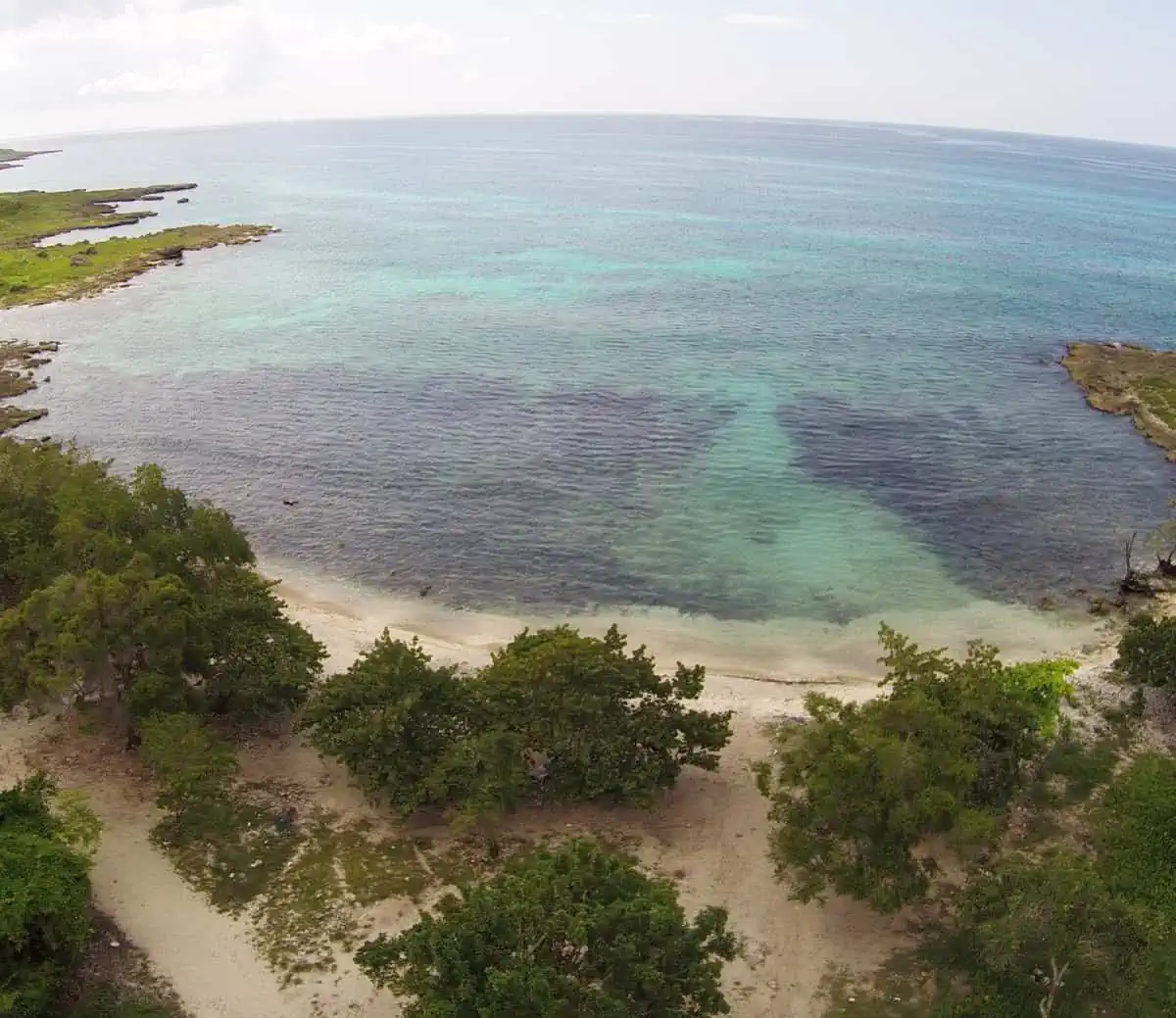
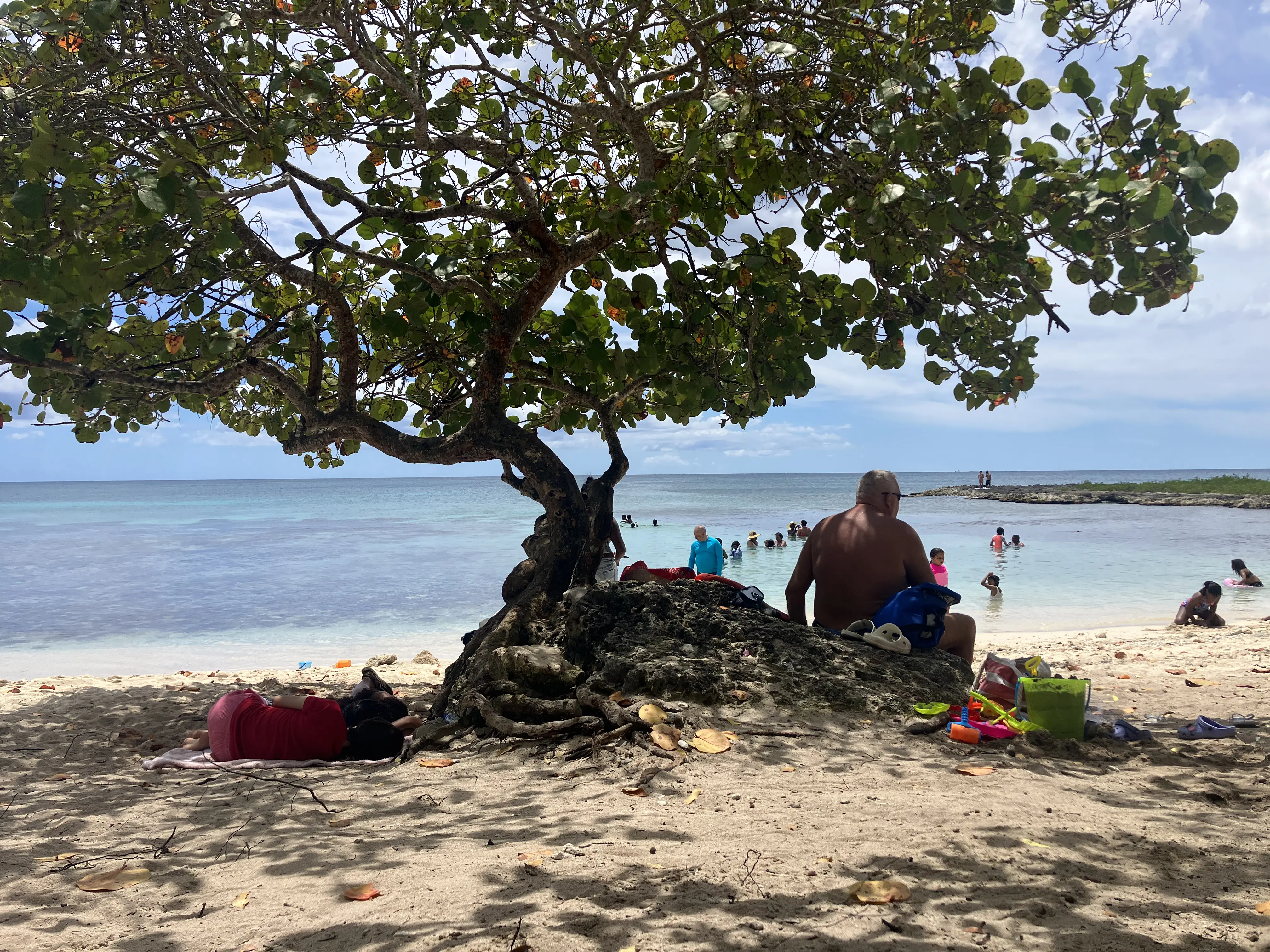
Playa Magallanes sits along the southern coastline of Bayahibe, tucked between rocky outcrops about 500 meters east of the village square. It's small — less than a hundred meters of shore — and the "beach" is mostly limestone rock with a narrow sandy strip at the waterline. That's not a flaw. The rock is what makes the reef here so good.
How to Get There
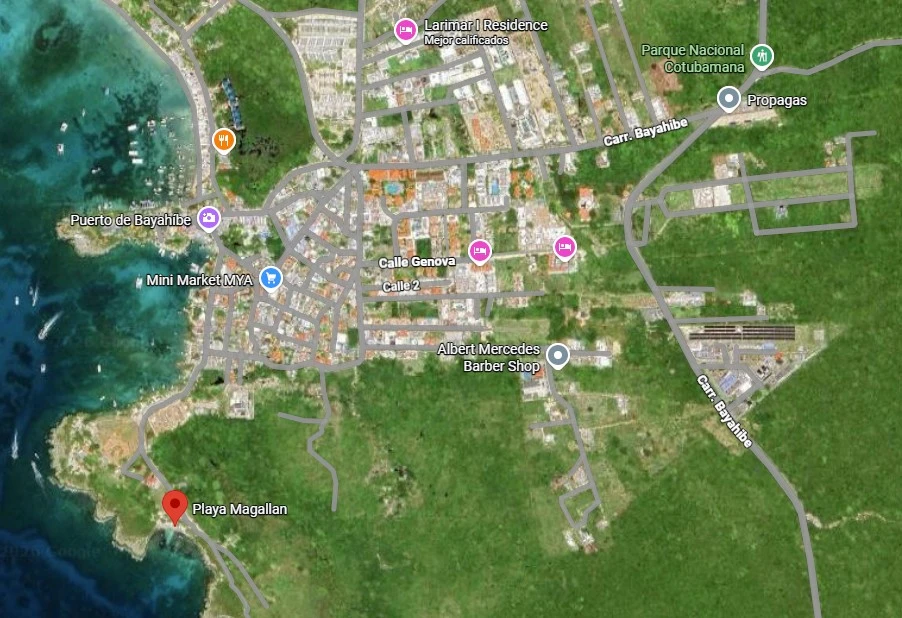
On foot (recommended): From the Parque Central in Bayahibe, follow Calle Juan Brito east along the coast toward Dominicus. Stay on the coastal road as it turns to gravel. After roughly 500 meters, you'll see a small cove open up on your right after you pass the baseball field — that's Magallanes. Total walk: about 5 minutes.
By motoconcho: Any motorcycle taxi in Bayahibe will know it. Tell them "Playa Magallanes" and expect to pay 100–150 DOP for the short ride.
There's no signage, so first-timers often walk past it. The map below shows exactly where the cove sits relative to the village.
Where to Enter and Exit the Water
The safest entry point is the sandy gap near the center of the cove. From there the bottom is sandy and shallow — easy to walk in without scrambling over rock. Avoid the rocky edges on either side, especially when there's any swell. This landing strip of sandy bottom is the only way in and out of the water.
Once you're in, swim straight out in the landing strip of sandy bottom beach until the rocks on either side open up. Then swim along the rocks and reef. That's where the reef starts, usually no more than 15–20 meters from shore. The rocky ledges drop away into crevices and small caves — this is where most of the life concentrates. Stay aware of the rocks as you come back in, and exit through the same sandy gap you entered. Be careful not to drift too far out of the cove and into the boat traffic going to and from Saona.
What's Living on the Reef
The reef at Magallanes isn't the dramatic wall diving you'd find offshore, but for shore snorkeling it's exceptional. The rocky overhangs and caves create ideal shelter for:
- Sea turtles — frequently spotted cruising the reef, especially in the morning
- Parrotfish and groupers — abundant and unfazed by snorkelers
- Stingrays — often resting flat on sandy patches between the rocks
- Eels — the goldentail moray is common here, peeking from crevices
- Squirrelfish, trunkfish, high-hats, needle fish and trumpet fish — look closely at the overhangs
- Spotted Eagle Rays — you won't find them in and among the reef, but you may encounter some in the center of the cove in deeper water
- Lobsters — small ones tuck into the deeper crevices
The water clarity is one of Magallanes' best qualities. Even on days when the main Bayahibe beach gets churned up, the sheltered position of this cove keeps visibility high.
Tips Before You Go
- Bring your own gear. There are no rental shops at Magallanes. Snorkel gear is available from vendors near the main Bayahibe pier if you need to pick some up on the way.
- Go in the morning. Light penetration is best and turtle activity is highest before midday.
- Reef-safe sunscreen only. The reef here is intact because it doesn't see heavy tourist traffic. Keep it that way.
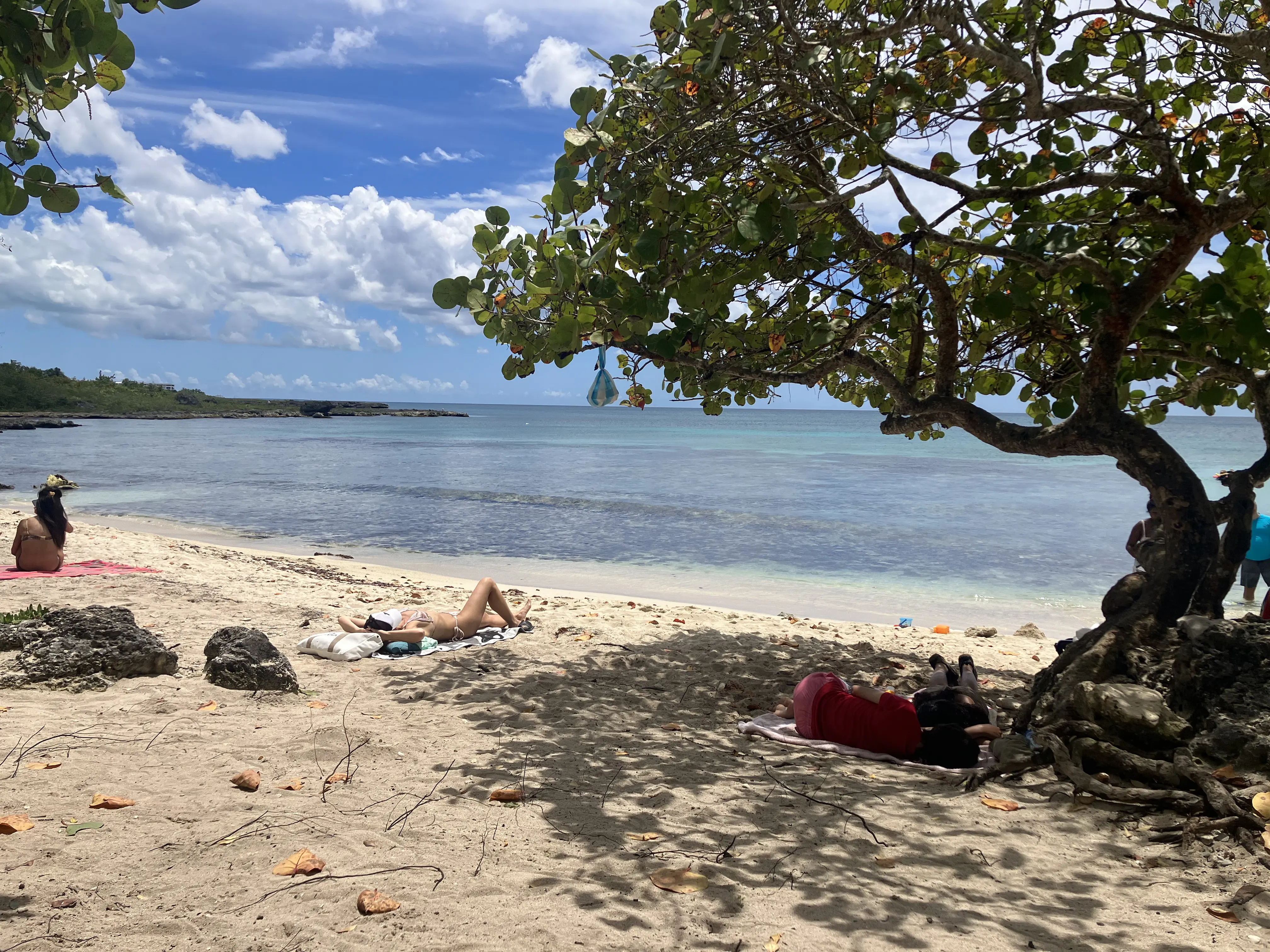
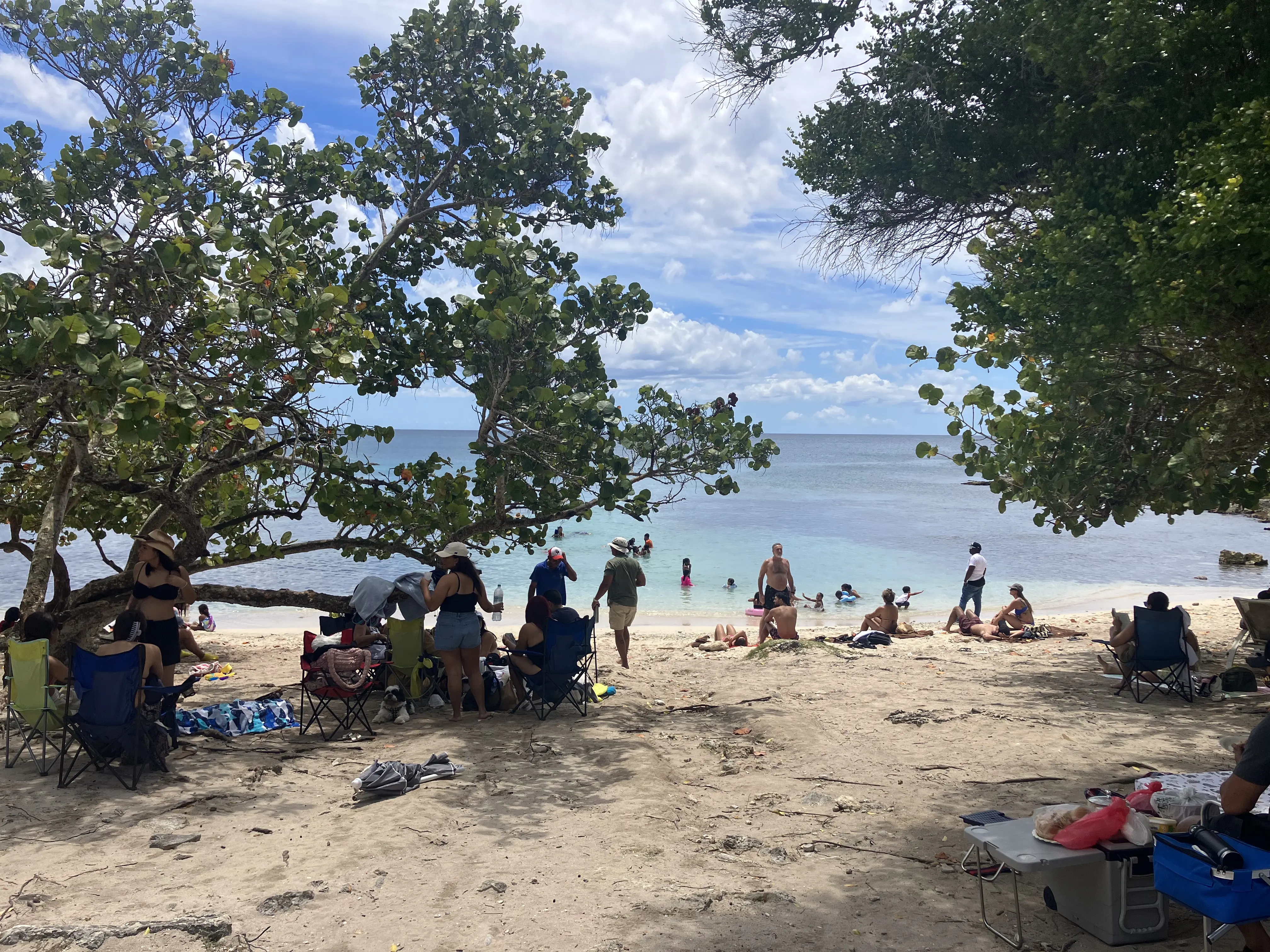
- Shade is available. There are trees along the back of the beach — useful given how strong the Caribbean sun is.
- No food or drinks on site. Stock up in the village before you walk over.
Go With a Local
Edward leads cultural and walking tours of Bayahibe that include Playa Magallanes — the reef, the wildlife, and the stories most visitors never hear. He's spent his whole life on this coastline.
Getting to Bayahibe
Playa Magallanes is only as accessible as Bayahibe itself — and getting here from Punta Cana or Santo Domingo without a reliable transfer is a headache most tourists underestimate.
Book your airport transfer now and arrive ready to explore.