Mano Juan, Isla Saona: The Local Way to Get There and What to Do
What Is Mano Juan?
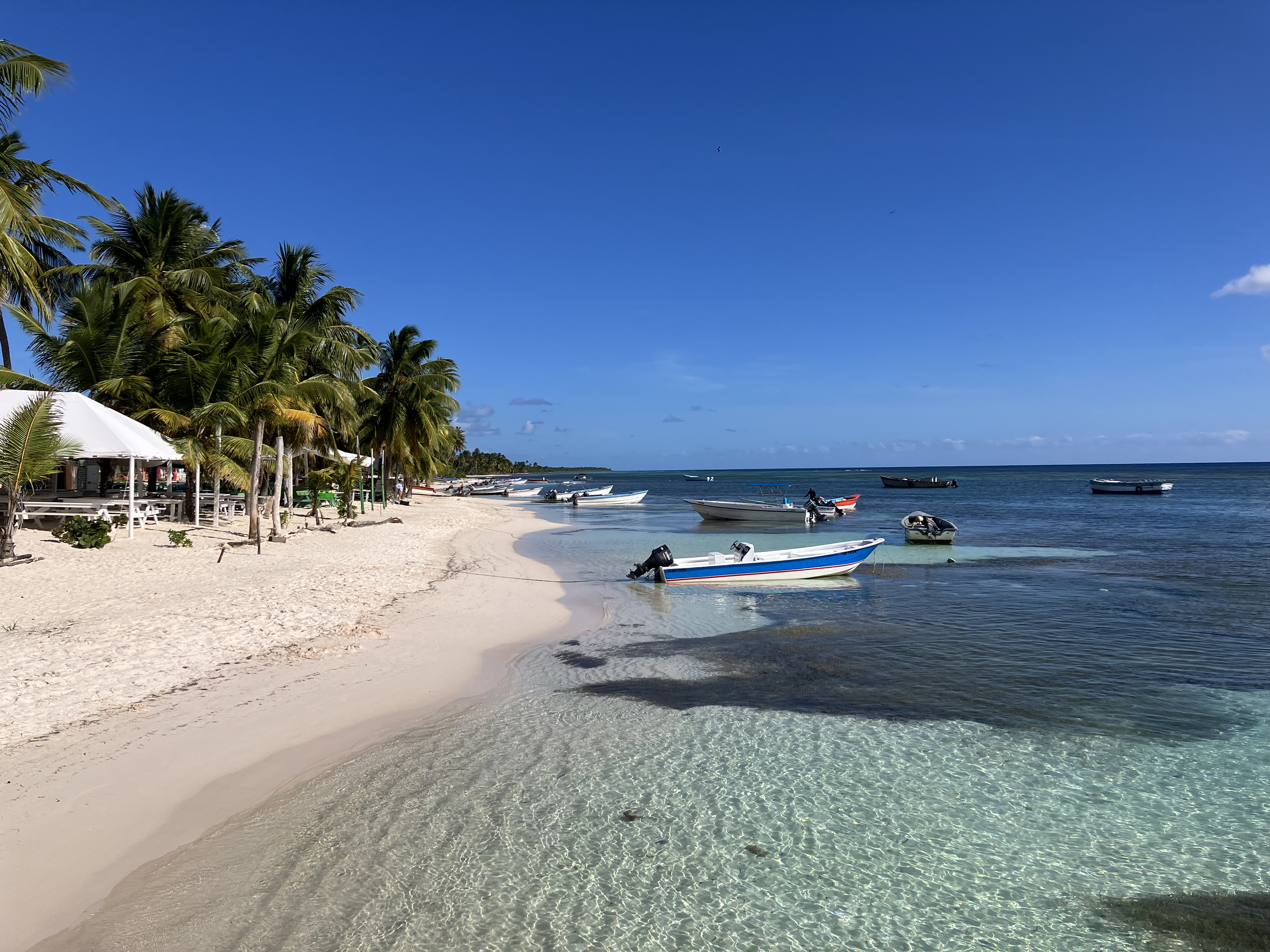
Mano Juan is the only permanent village on Isla Saona — a small, unhurried fishing community of brightly painted houses, fishing boats pulled up on the sand, and some of the calmest water you'll find anywhere in the Dominican Republic.
Most visitors see Saona on a day-trip catamaran, which means they never get near Mano Juan. Coming independently means you get the real thing: fewer crowds, a genuine local atmosphere, and the option to stay overnight when everyone else has gone home.
A Brief History
Long before tourists arrived, Isla Saona was home to the Taíno people. The Cotubanamá tribe settled in the area around Bayahibe, and when Spanish colonizers arrived with Christopher Columbus in 1494, Chief Cotubanamá led his people across the water to the island — known then as Adamanay, meaning "Island of Refuge" in Taíno. The island's current name is said to derive from a Spanish sailor's exclamation about its beauty, a corruption of "Savona," a town in Italy.
Mano Juan as a village has a more recent story. In the 1940s, the U.S. government sought to establish a military base on Saona. Dominican dictator Rafael Trujillo pushed back, but a base was built on the island's north end. To stake a Dominican presence and prevent further foreign encroachment, Trujillo sent families to populate the south of the island. Mano Juan was founded by 12 families, each given a house, a school, a hospital, and a church — and the promise of prosperity.
Those families built their lives around agriculture and raising livestock. Then in 1975, Saona was declared a protected natural reserve — now part of Parque Nacional Cotubanamá — and farming was prohibited. The village pivoted to fishing, which remains the backbone of the local economy today. Around 500 people live here, in the same colorful wooden houses their grandparents built, largely untouched by the resort development that transformed the rest of the Dominican coast.
Getting There: The Public Boat from Bayahibe
There's a public lancha (small passenger boat) that runs daily between Bayahibe and Mano Juan. Here's what you need to know:
- Departure: Bayahibe port, 9:15 AM — be there a few minutes early
- Return: Mano Juan, 2:30 PM
- Operator: The boat is run by a local known as señor Bienve
- Cost: 2,000 Dominican pesos per person, round trip
- Entry bracelet: You'll also need to buy a 250-peso bracelet at the park — Isla Saona is inside the Parque Nacional del Este, and entry is required for all visitors
One important thing to know: lanchas are small, open boats. If the sea is rough, the ride is rough. This isn't a catamaran with stabilizers — you'll feel every wave. On calm days it's a beautiful crossing; on choppy days it can be genuinely uncomfortable. If you're prone to seasickness, take a tablet before you leave Bayahibe.
That's the only public boat. Miss the 2:30 PM return and your choices are: stay overnight or hire a private boat back, which will cost considerably more.
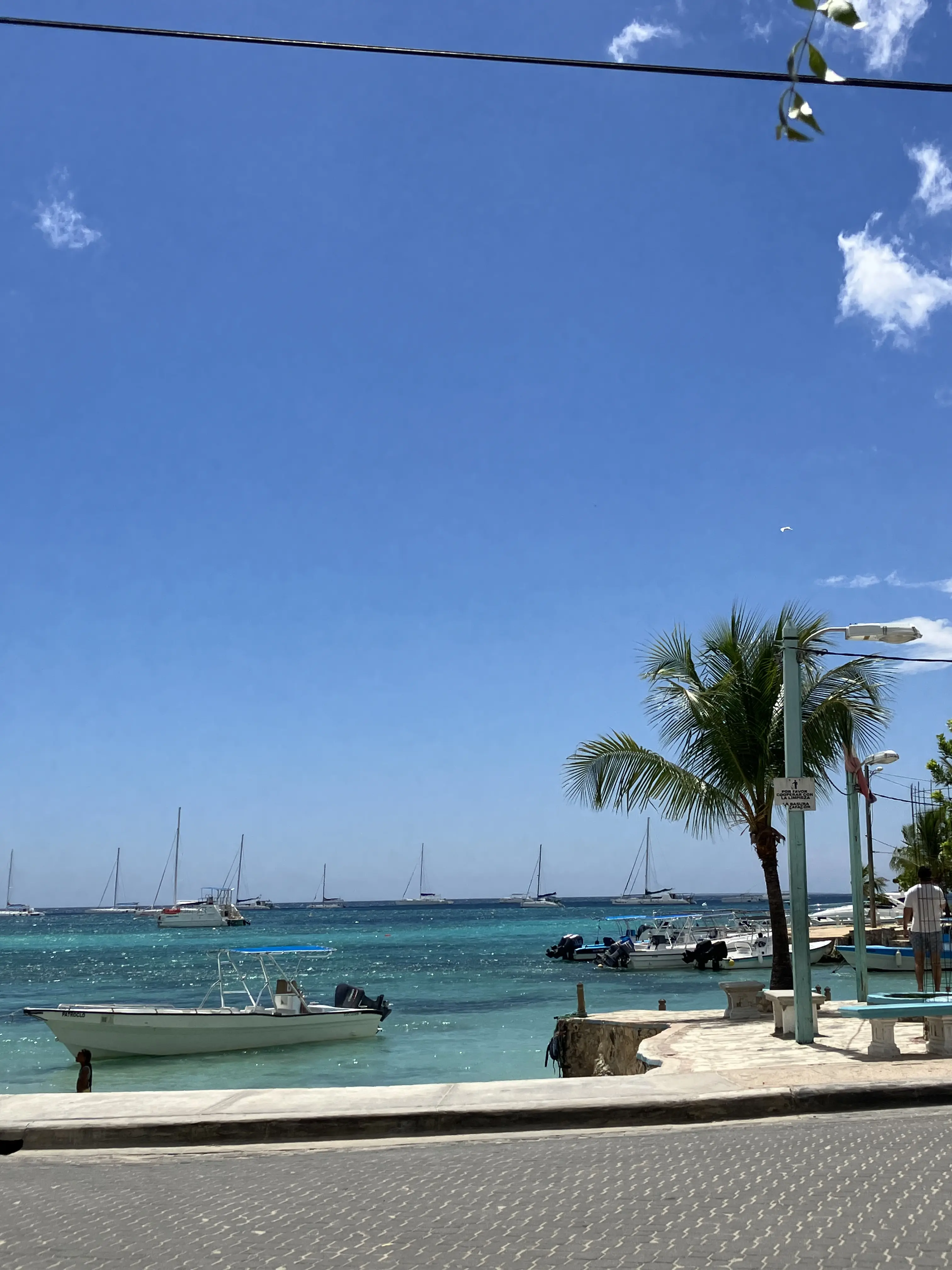
This is the general spot in Bayahibe's port where Bienve's lancha departs every morning at 9:15 AM. Look for a mix of tourists and locals, maybe some boxes and supplies being loaded — and likely a few other travelers who figured out the same secret.
What It Costs
| Item | Cost |
|---|---|
| Public boat, round trip | 2,000 DOP (~$34 USD) |
| National park entry bracelet | 250 DOP (~$4 USD) |
| Total before food |
Bring Dominican pesos. There are no ATMs on the island.
What to Do in Mano Juan
Mano Juan moves slowly — that's the whole point. A typical day looks like this:
- Walk the village. It takes about 20 minutes end to end. Colorful houses, fishing nets drying in the sun, friendly locals who aren't used to independent visitors. It feels nothing like a resort.
- Visit the solar farm. Since January 2023, Mano Juan runs on 100% renewable energy — 24 hours a day — making it the first community in the hemisphere to achieve this. The solar installation was built by the Consorcio Energético Bayahíbe and powers all 600 residents. It's worth a look and a conversation with locals about what it means for the village.
- Swim and snorkel the reef. Just offshore there's a reef that ranks among the best snorkeling on the entire island — see the section below for what you need to bring and the safety rules you shouldn't skip.
- Eat fresh fish. Several families in the village cook simple meals — typically fresh-caught fish, rice, and tostones. Ask around or look for signs.
- Take a motorcycle to Canto de la Playa. You can hire a local moto-taxi in the village to take you through the island to Canto de la Playa — a fun and very local way to get there instead of going by boat.
The Beaches
The Main Village Beach
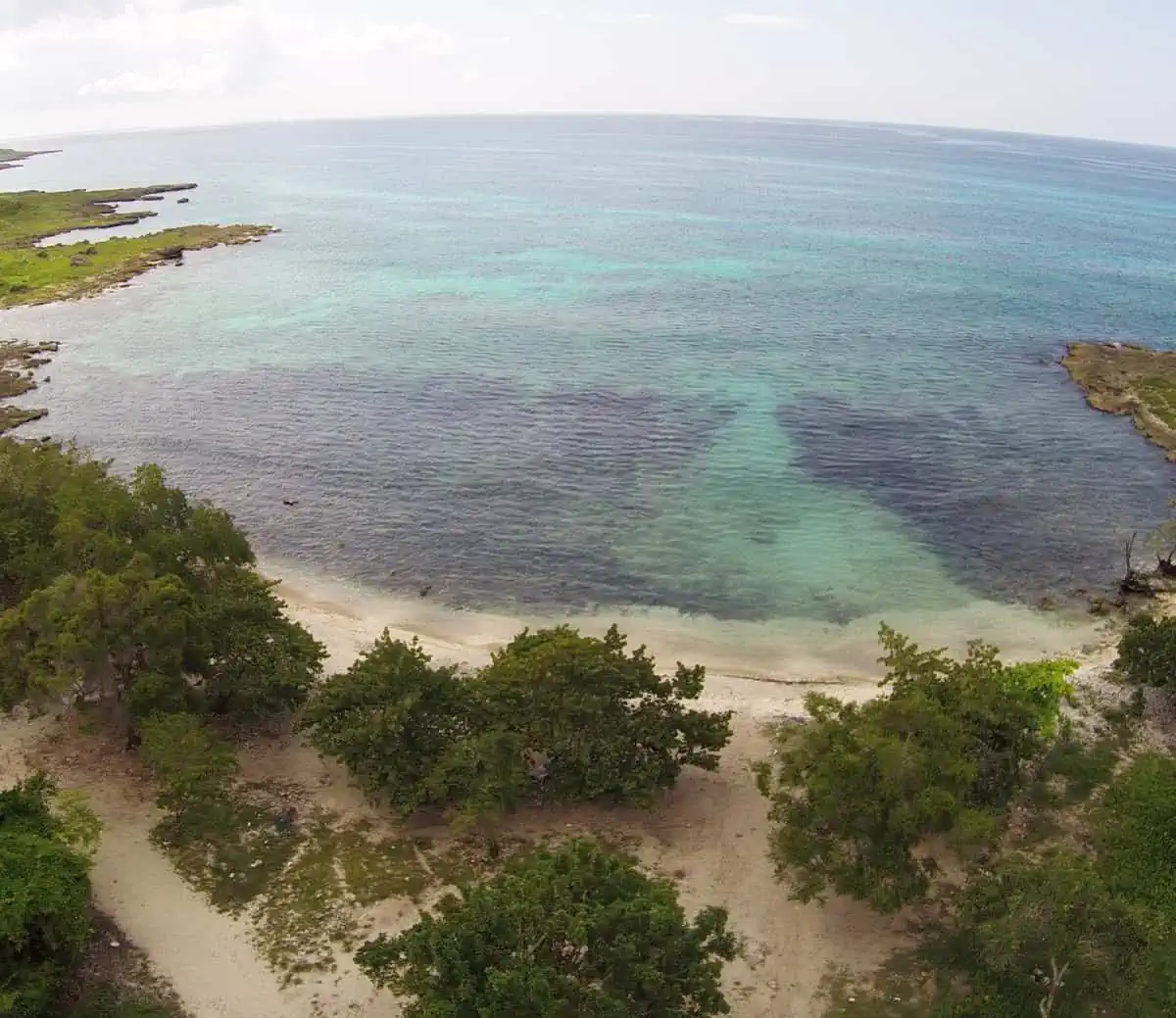
The public beach right in front of Mano Juan is where most independent visitors spend their time. The water is calm, shallow, and turquoise — and unlike the beaches where catamaran tours stop, you'll share it with almost no one. It's the kind of beach that makes you wonder why you ever went anywhere crowded.
Canto de la Playa
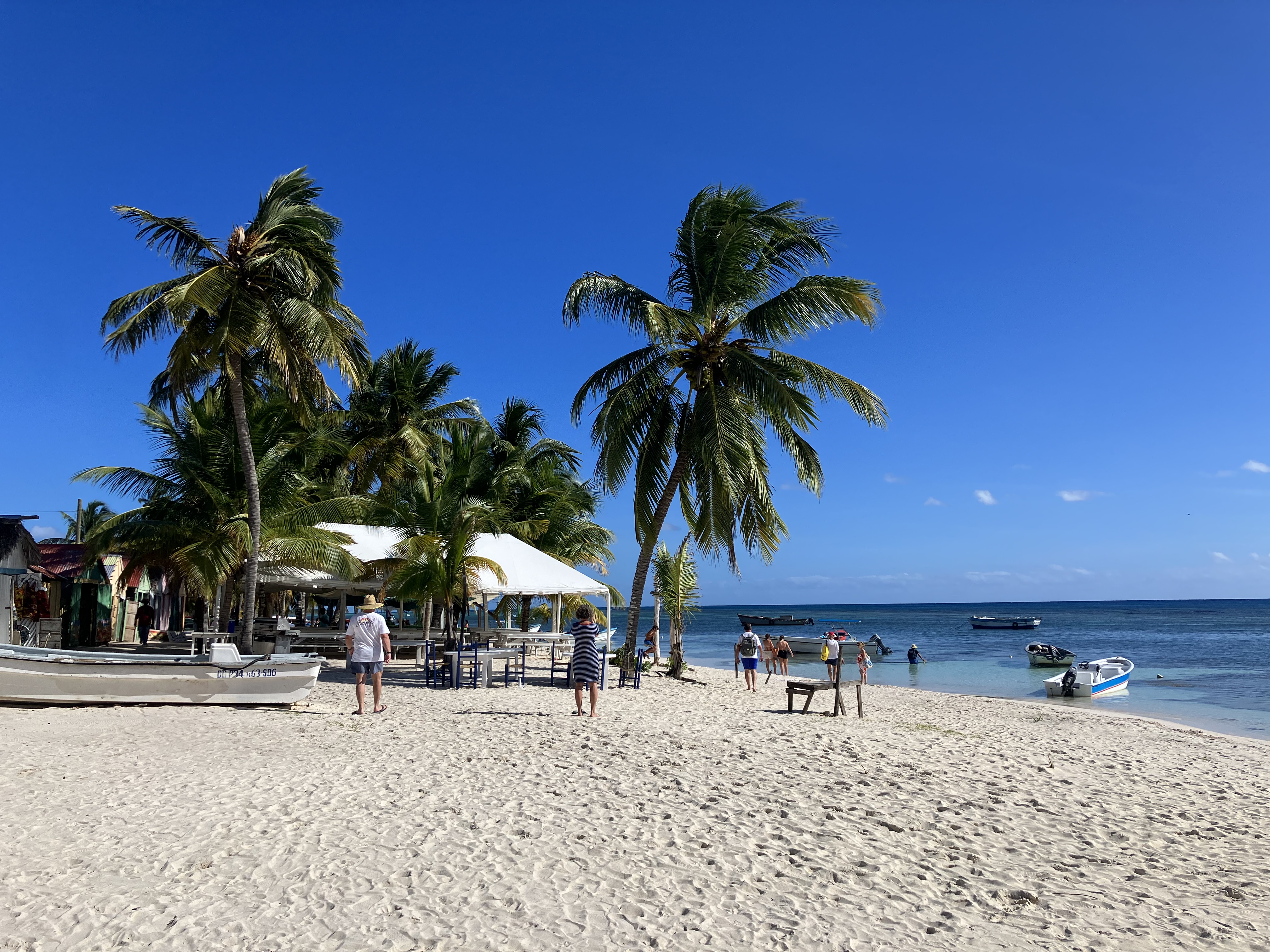
If you're staying overnight and want to go further, Canto de la Playa is worth making the effort for. It's a wild, completely undeveloped beach on the island — miles of white and pink coral sand, dense palm groves, and water so clear you can see the reef from the surface. In 2025, it was voted one of the top beaches in the world.
There are no services here — no chairs, no umbrellas, no bathrooms, no bar. Just beach. That's exactly the point.
Canto de la Playa is unreachable by large catamaran, which is why most tour groups never visit. From Mano Juan you have two options: hire a local speedboat, or take a moto-taxi through the island — the motorcycle route is the more adventurous and very local way to get there. Either way, bring everything you need: water, food, sunscreen, snorkel gear. There are no services on the beach.
Snorkeling the Reef
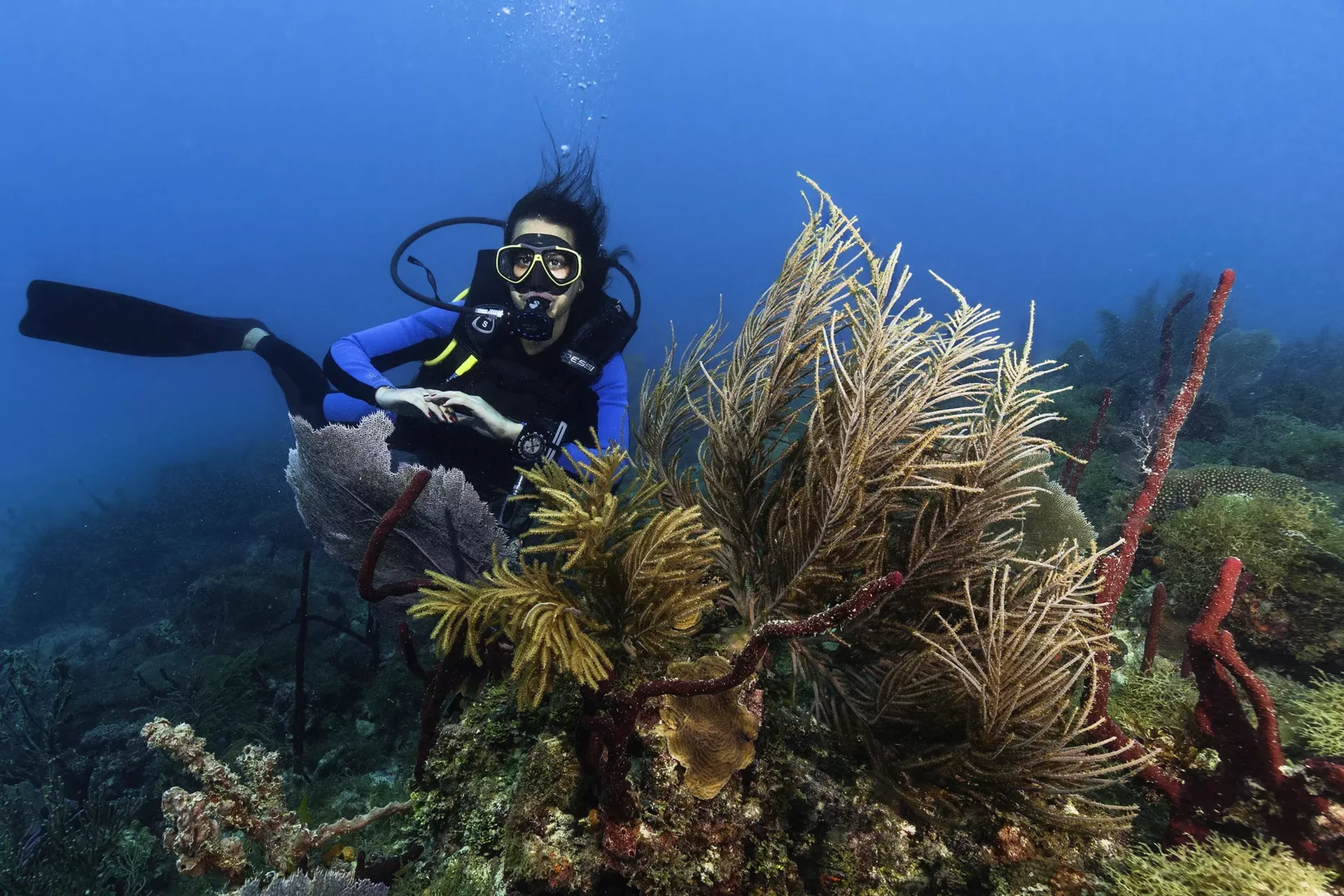
Just off the shore of Mano Juan lies one of the best snorkeling spots on all of Isla Saona. On a calm, clear day the reef is exceptional — colorful coral, tropical fish, and visibility that's hard to match anywhere else on the island.
This snorkeling is for advanced swimmers only. The reef is in open water, away from shore, and the currents can be strong. If you're not a confident, experienced swimmer, the main village beach is the right place to enjoy the water here.
This is also an active boating area. Local boats pass regularly, and the reef sits right in their path. Never snorkel here without a visible buoy or safety float. Boats may not see you, and being struck is a real and serious risk — not a precaution for the overly cautious, but a basic requirement.
A few rules worth following:
- Experienced swimmers only. Open water, potential currents, no lifeguard — know your limits.
- Bring a snorkel buoy / safety float. Bright orange or yellow, towed behind you. It marks your position to passing boats and gives you something to rest on.
- Don't go alone if it's your first time on this reef or if you're not confident in open water.
- Bring your own gear. There's nothing to rent in the village — mask, fins, snorkel, and buoy all need to come with you from Bayahibe.
- Check conditions first. On choppy days the visibility drops and the boat traffic doesn't. Ask a local whether it's a good day before heading in.
Go prepared and it's an unforgettable experience. Go unprepared and it's genuinely dangerous.
Where to Stay Overnight
If you want to spend the night — which we'd recommend if you can — Mano Juan has a small number of guesthouses.
Our pick is the Pink House. It's beachfront, right in the heart of the village, and has a restaurant on site so you don't need to go far for dinner or breakfast. There are also lounge chairs and picnic benches, which makes it easy to just sit, watch the water, and do absolutely nothing. For a place as remote as this, the amenities are genuinely good.
You can find the Pink House on Airbnb — search "Pink House Mano Juan" — and book directly through there.
Staying overnight means you have the beach largely to yourself in the evening and first thing in the morning, before any day-trippers arrive. That alone is worth it.
A Few Tips Before You Go
- Bring cash. Pesos only — no card machines, no ATMs.
- Pack everything you need. Sunscreen, snorkel gear, a dry bag for your phone, plenty of water, any medication. The village has very little for sale.
- Reef-safe sunscreen only. You're inside a national park. Regular sunscreen is harmful to the ecosystem and technically prohibited.
- Don't miss the return boat. The 2:30 PM departure from Mano Juan is firm. If you're day-tripping, keep track of the time.
- Book your transfer to Bayahibe first. The whole trip starts with getting to Bayahibe port by 9 AM. If you're flying into Punta Cana or Santo Domingo, make sure your transfer is sorted before you plan this.
Book your transfer to Bayahibe and we'll get you to the port in time — with flight monitoring included.