Diving and Snorkeling in Bayahibe: The Complete Guide
Why Bayahibe Is the DR's #1 Dive Destination
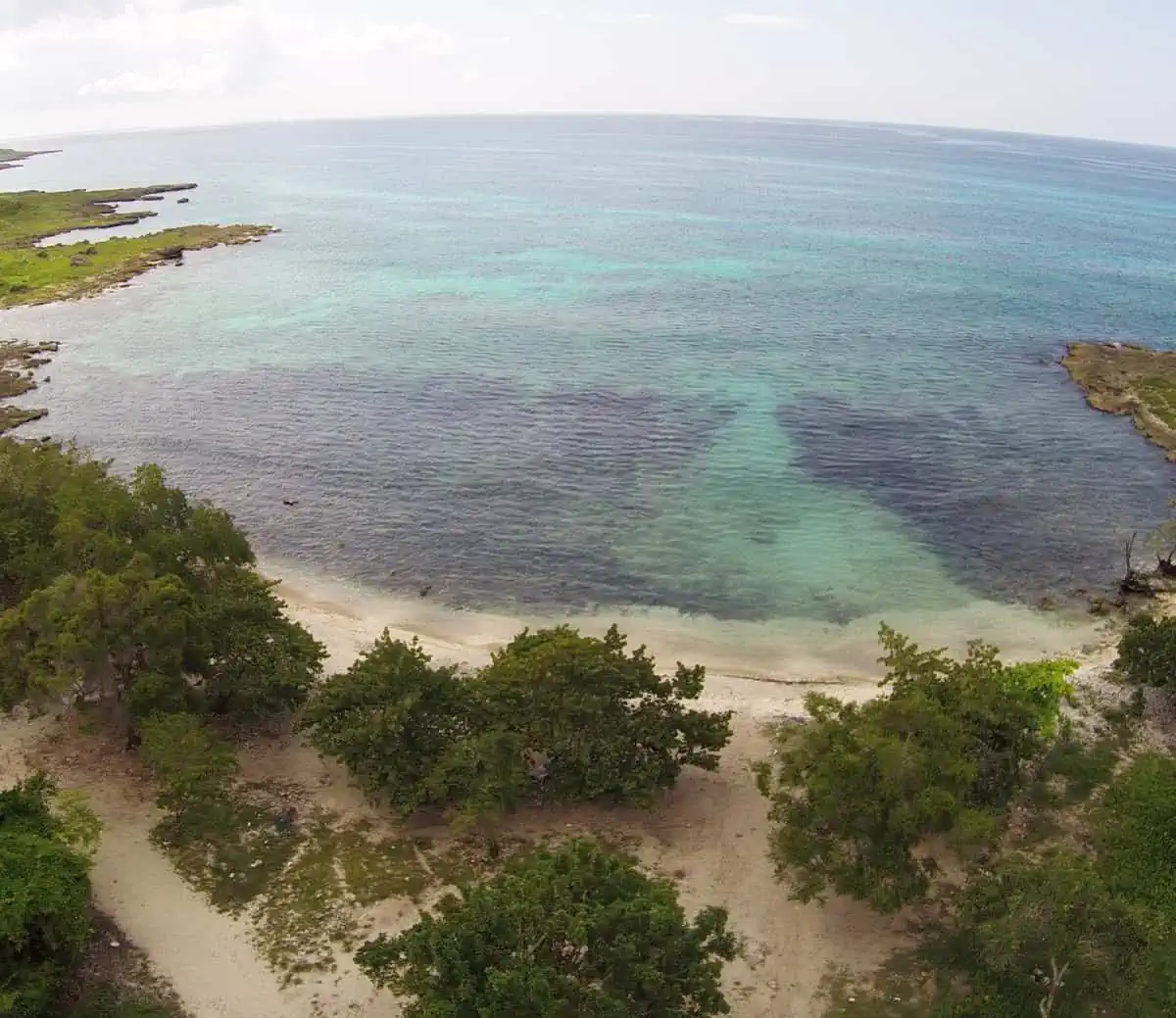
Bayahibe sits on the edge of Parque Nacional del Este (also called Cotubanamá National Park) — a fully protected marine area where fishing is prohibited. That protection shows: the reefs here have largely avoided the coral damage and overfishing that have degraded sites elsewhere in the Caribbean.
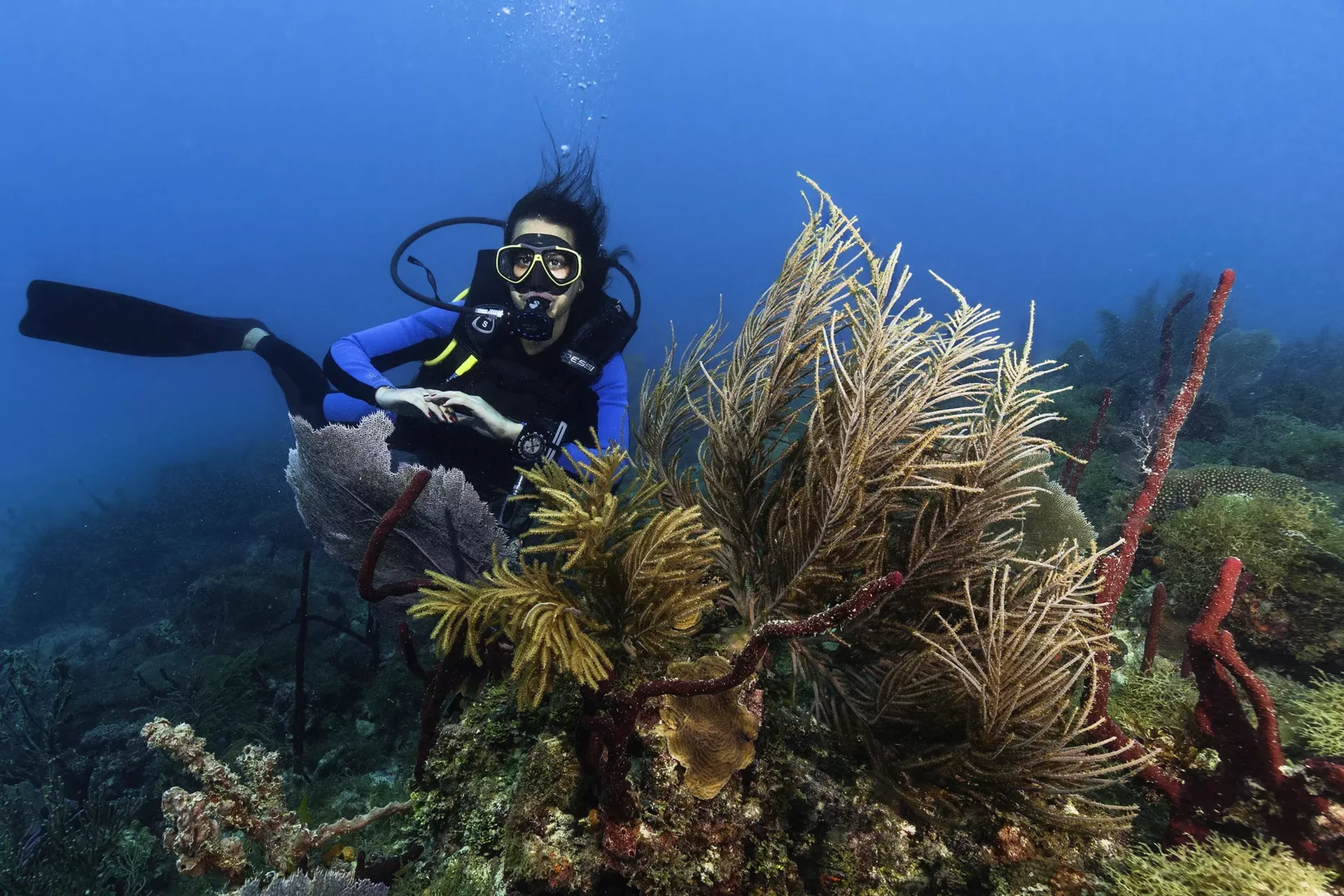
The numbers back it up: 20+ documented dive sites, three wrecks, visibility regularly reaching 20–30 m (and up to 50 m at some sites), and water temperatures between 26–30°C (79–86°F) year-round. It's legitimately world-class diving, not just by Dominican standards.
The Three Wrecks
St. George — The Main Event
The St. George is a 73-meter cargo freighter built in Scotland in 1962. After being abandoned in the Santo Domingo harbor, it was deliberately sunk on June 12, 1999 by Club Dominicus to create an artificial reef, and it's exceeded expectations. Sitting about 800 meters off Viva Dominicus beach, the wreck now hosts dense coral growth, massive schools of tropical fish, green moray eels in the chimneys, barracuda, and eagle rays.
- Depth: Top of wreck at 15 m; hull bottom at 44 m
- Best zone: 25–35 m (most of the hull and interior)
- Level: Advanced Open Water recommended; AOWD required for deeper sections
- Paired with: Usually combined with the Atlantic Princess on a 2-tank dive day
Atlantic Princess — Snorkeler-Friendly
The Atlantic Princess is a 30-meter passenger vessel that ran aground during Tropical Storm Fay and sank in May 2009. It wasn't intentionally placed — but it's become one of the area's best accessible dives. The top of the wreck sits just 2 meters below the surface, making it uniquely accessible to snorkelers as well as divers.
- Depth: 2 m (top) to 12 m (bottom)
- Level: All levels — beginners and snorkelers welcome
- Marine life: Parrotfish, rays, sergeant majors, bar jacks; 15–20 m visibility
Coca Wreck — The Hidden One
Smaller and more scattered than the other two, the Coca wreck sits at 14–22 m and features impressive sea fan corals, lionfish, moray eels, and squid in the mid-water. Less intact but often less crowded.
- Depth: 14–22 m
- Level: All levels
Top Reef Sites
Bayahibe's reef diving is anchored by sites inside the national park. A few standouts:
- Guaraguao: Visibility of 30–50 m — some of the best in the DR. Spanish cannons and cannonballs from historical shipwrecks sit on the bottom. Light-to-medium current.
- Tortuga: The turtle hotspot. Green sea turtles are regular sightings at this site, along with eagle rays, lionfish, and nudibranchs. About 30 minutes by boat.
- El Peñón: A classic national park reef with parrotfish, moray eels, squirrelfish, and occasional manatees and eagle rays. Minimal current, 20+ m visibility.
- Lucas Reef: An expansive reef with two coral nurseries (11–14 m), lobsters, squid, spotted morays, and multiple ray species.
- Catalina Wall: The advanced option — a wall off the east side of Isla Catalina dropping to 30+ m, with black coral, large sponges, and a marine canyon.
Snorkeling Without a Certification
You don't need to be a certified diver to get in the water here.
- Atlantic Princess wreck: The top of the wreck is 2 m down — one of the most unusual snorkel experiences in the Caribbean, and easy to access on a guided trip.
- Playa Magallanes: Free shore entry, 500 m from the village toward Dominicus. Max depth 6 m, with morays, groupers, stingrays, and lobsters in the rocks. Best in the morning.
- Isla Catalina — Coral Gardens: A 45-minute boat ride, but the shallow coral gardens on the west side are genuinely excellent. Endangered elkhorn and staghorn corals, large fish schools, rays.
- The Cenotes of Bayahibe: A freshwater cave snorkel that many visitors say is the best single excursion in Bayahibe. Unique, intimate, and nothing like open-water reef snorkeling.
- Saona Island day trips: Most include a snorkel stop at the reef or the natural starfish pool. More of a bonus than a dedicated snorkel experience.
Dive Operators in Bayahibe
Several PADI and SSI-certified shops operate out of Bayahibe village and the resort zone:
- Coral Point Diving — PADI 5-Star IDC (the only Instructor Development Center in Bayahibe). Marine biologist and naturalists on staff. Located beachfront in the village. +1 829 213 5823
- Dressel Divers — SDI and PADI, 30+ years operating. Pier-based departure.
- Diving Dominican Republic (DivingDR) — SSI dive center, family-run, nearly 500 five-star TripAdvisor reviews.
- ScubaFun — PADI 5-Star with custom dive boats.
- Go Dive Bayahibe — SDI/TDI and PADI instructors, based at the Bayahibe port.
- Slow Dive Casa Chihuahua — PADI instructors with their own lodging for divers
Single dives typically run $55–$65 including equipment. Always verify current pricing directly with the operator.
Practical Tips
- Bring your certification card — all operators will ask for it
- Book in advance in high season (December–February) — the St. George wreck fills up fast
- Reef-safe sunscreen only — this is a national park; bring your own to be sure
- Seasickness: Boat rides are short (10–30 min), but afternoon seas are choppier — take medication the night before if you're prone
- Photography: The clear water and abundant marine life make Bayahibe one of the best underwater photo destinations in the Caribbean. Ask your operator about camera rental
Getting to Bayahibe
Bayahibe is about 1 hour south of Punta Cana Airport (PUJ), or 1.5 hours east of Santo Domingo (SDQ). A private transfer is the straightforward option — no connections, no shared shuttles.
Book your transfer to Bayahibe and arrive ready to dive.