Rosa de Bayahibe: The Dominican Republic's National Flower
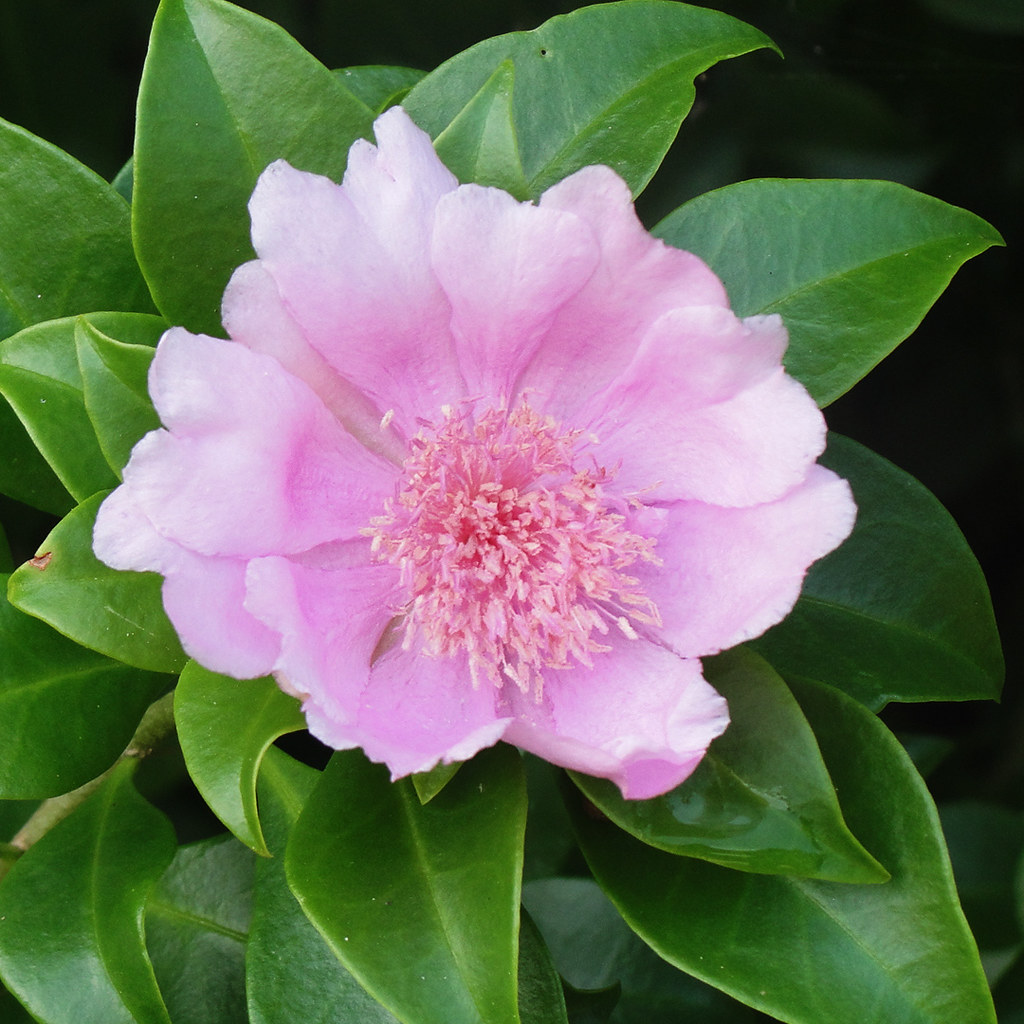
If you spend any time in Bayahibe, you'll start noticing a pink flower appearing everywhere — on signage, souvenirs, restaurant menus, and murals around the village. That flower is the Rosa de Bayahibe, and it's not just a pretty local symbol. It's the national flower of the Dominican Republic, and this small fishing village is the only place in the world where it originally grows wild.
Video: Official documentary on the Rosa de Bayahibe, produced by Fondo MARENA — Ministerio de Medio Ambiente y Recursos Naturales, in partnership with the Jardín Botánico Nacional Dr. Rafael María Moscoso and the Caribbean Biodiversity Fund (CBF).
What Is the Rosa de Bayahibe?
The Rosa de Bayahibe (Pereskia quisqueyana) is a flowering cactus — yes, a cactus — that produces soft, rose-like pink blooms. What makes it doubly unusual is that it has leaves. Most cacti don't; Pereskia quisqueyana is one of the very few species in the cactus family that does, giving it an appearance closer to a flowering shrub than anything you'd expect from a cactus.
It grows in the dry coastal scrubland typical of the southeastern Dominican Republic, where the soil is thin and rocky and the climate is hot and dry for much of the year. That's a tough neighborhood, which is part of why the plant developed such a striking flower — it needs to attract pollinators.
Edward's cultural tours of Bayahibe include the Rosa de Bayahibe — the plant, its habitat, and why it matters here. If you want to understand what you're looking at beyond just the name, his tours are the place to start.
Why It Bears the Name "Bayahibe"
The plant was first formally described in 1977 by French-Dominican botanist Henri Alain Liogier, who catalogued it in the eastern Dominican Republic — specifically the area around Bayahibe. It was recognised as a species found nowhere else on earth: endemic to a tiny slice of Hispaniola's southeast coast.
The village gave the flower its common name. The flower, in turn, gave the village a kind of lasting botanical fame: when the Dominican Republic was choosing its national flower in 2011, the Pereskia quisqueyana was the obvious choice — rare, beautiful, uniquely Dominican.
Why It's in Danger
The Rosa de Bayahibe is listed as Critically Endangered by the International Union for Conservation of Nature (IUCN). Its natural range is small to begin with, and decades of coastal development, agriculture, and habitat clearance have pushed its wild population down further.
Active conservation work is underway. Fondo MARENA (part of the Dominican Republic's Ministerio de Medio Ambiente y Recursos Naturales) is leading efforts in partnership with the Jardín Botánico Nacional Dr. Rafael María Moscoso and with support from the Caribbean Biodiversity Fund (CBF). Their work includes habitat protection and public awareness — which partly explains why the flower has become such a prominent symbol in and around the village. You'll see it painted on walls, printed on menus, and carved into craft items. Every time locals put the flower front and center, they're making a quiet argument for protecting it.
Where to Spot It
The flower blooms in dry scrubland just outside the village, particularly in patches of natural habitat along the road toward La Romana and in the hills above Dominicus. It isn't always in bloom — the flowers appear in cycles — so a sighting is genuinely lucky.
You won't find it at the beach resort pools. If you want to see it, take a slow walk or a motorbike ride through the drier inland areas near Bayahibe in the early morning.
A Small Detail Worth Knowing
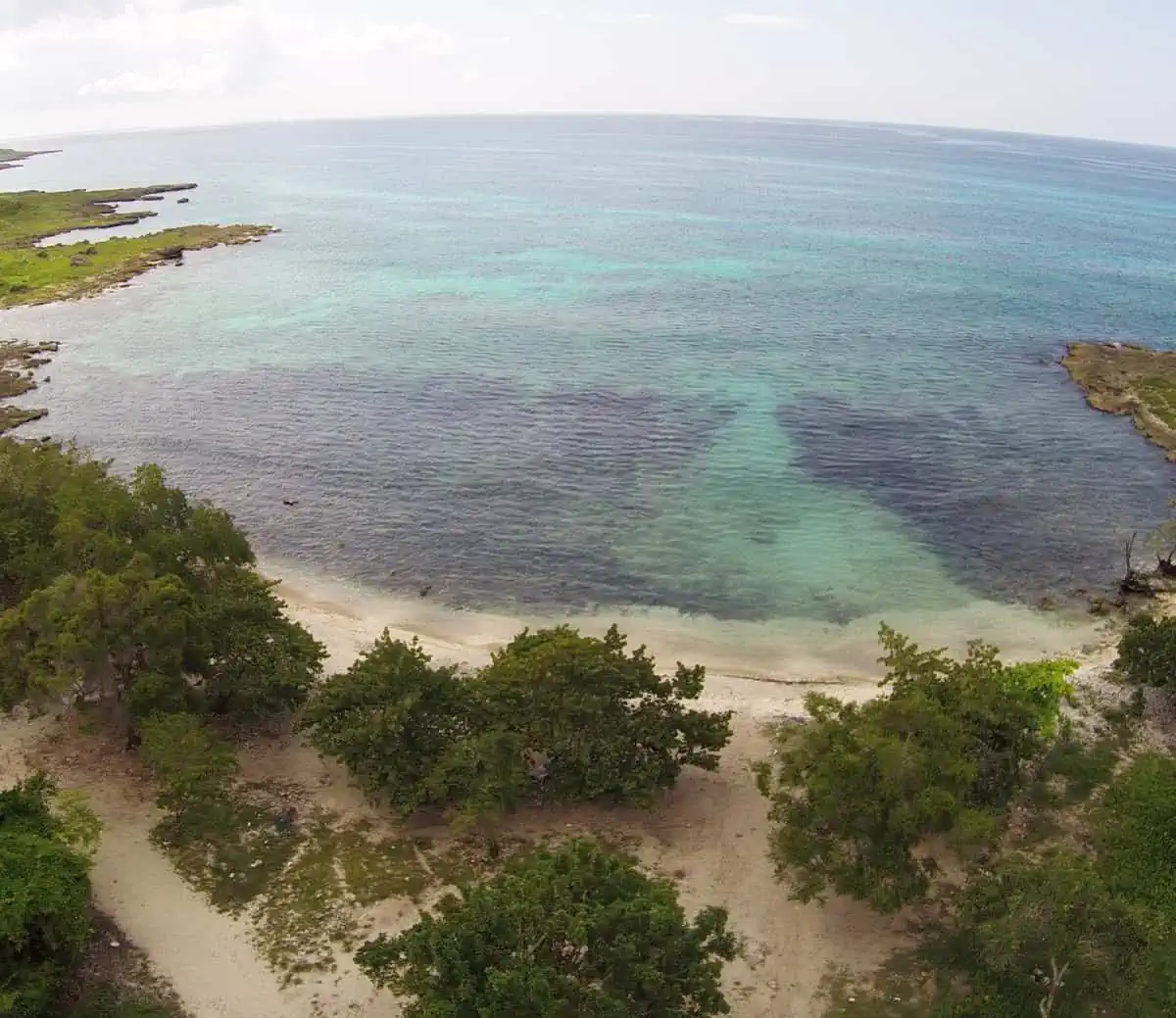
Most visitors come to Bayahibe for the sea — the calm turquoise water, Isla Saona, the coral reefs. The Rosa de Bayahibe is a reminder that the land itself has something rare to offer too. It's one of those details that turns a beach trip into a real encounter with a place.
If you're the kind of traveler who likes to understand where you are, not just lie in the sun, keep an eye out for the pink blooms on your way into or out of the village.
Planning your arrival? Book your transfer now and let us take care of the ride from Punta Cana, Santo Domingo, or La Romana airport — so you can get straight to exploring.