Getting Between Bayahibe and Dominicus: Walking, Bus, and Taxi
Bayahibe and Dominicus sit just a few kilometers apart along the same stretch of coast, and moving between the two is easier than most visitors expect. You have three realistic options: walking, the public bus, or privat transportation with a taxi or your own vehicle. Here's what each one involves.
Walking the Coastal Path
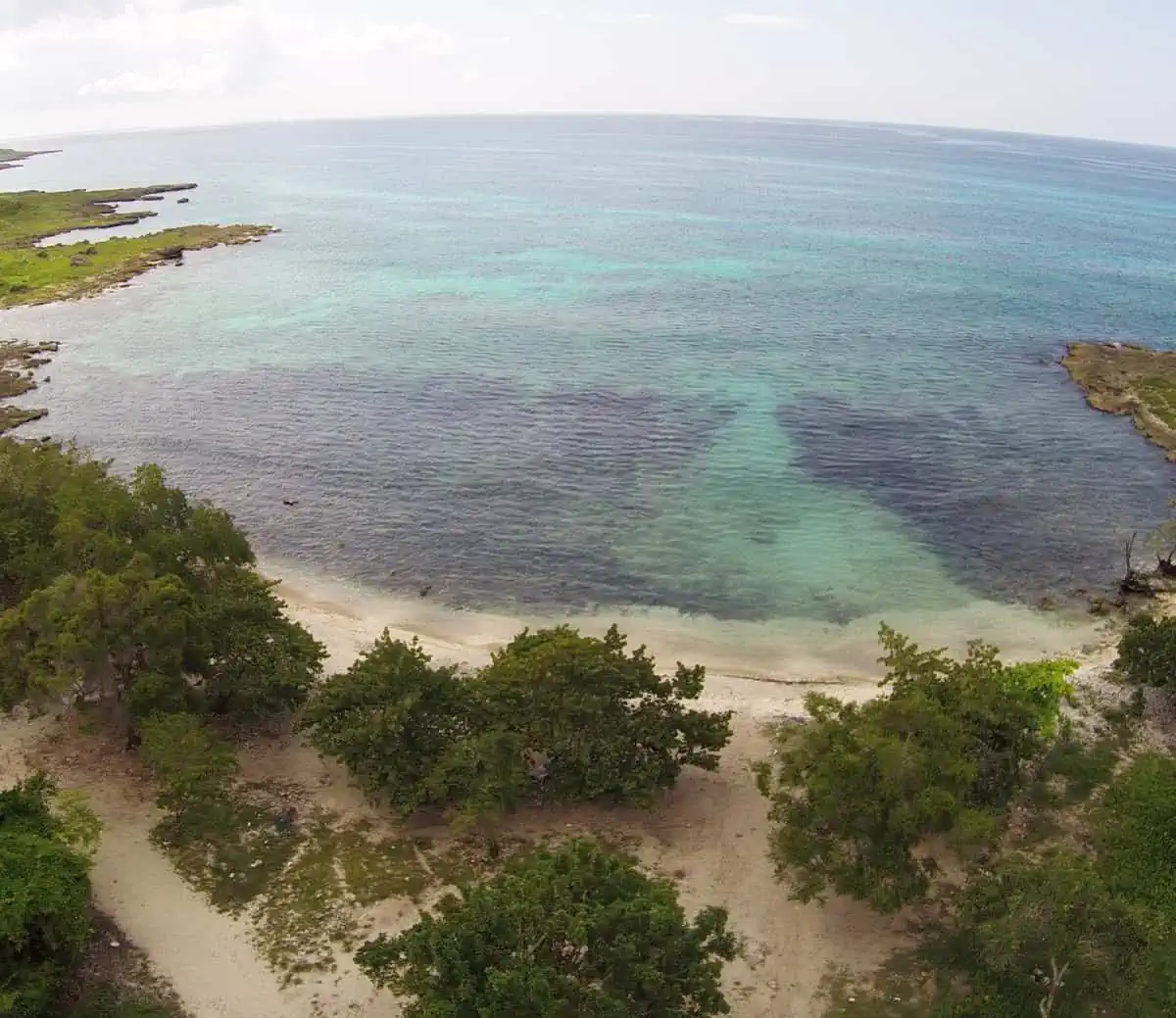
The path between Bayahibe and Dominicus is a genuine highlight — not just a way to get from A to B but a walk worth doing in its own right. It's used daily by locals for exercise, by horse tour operators, and by visitors who've figured out that the path itself is part of the experience. It cuts right alongside the rugged rocky coastline and is ripe with photo opportunities and beautiful views of the ocean.
What the walk is like:
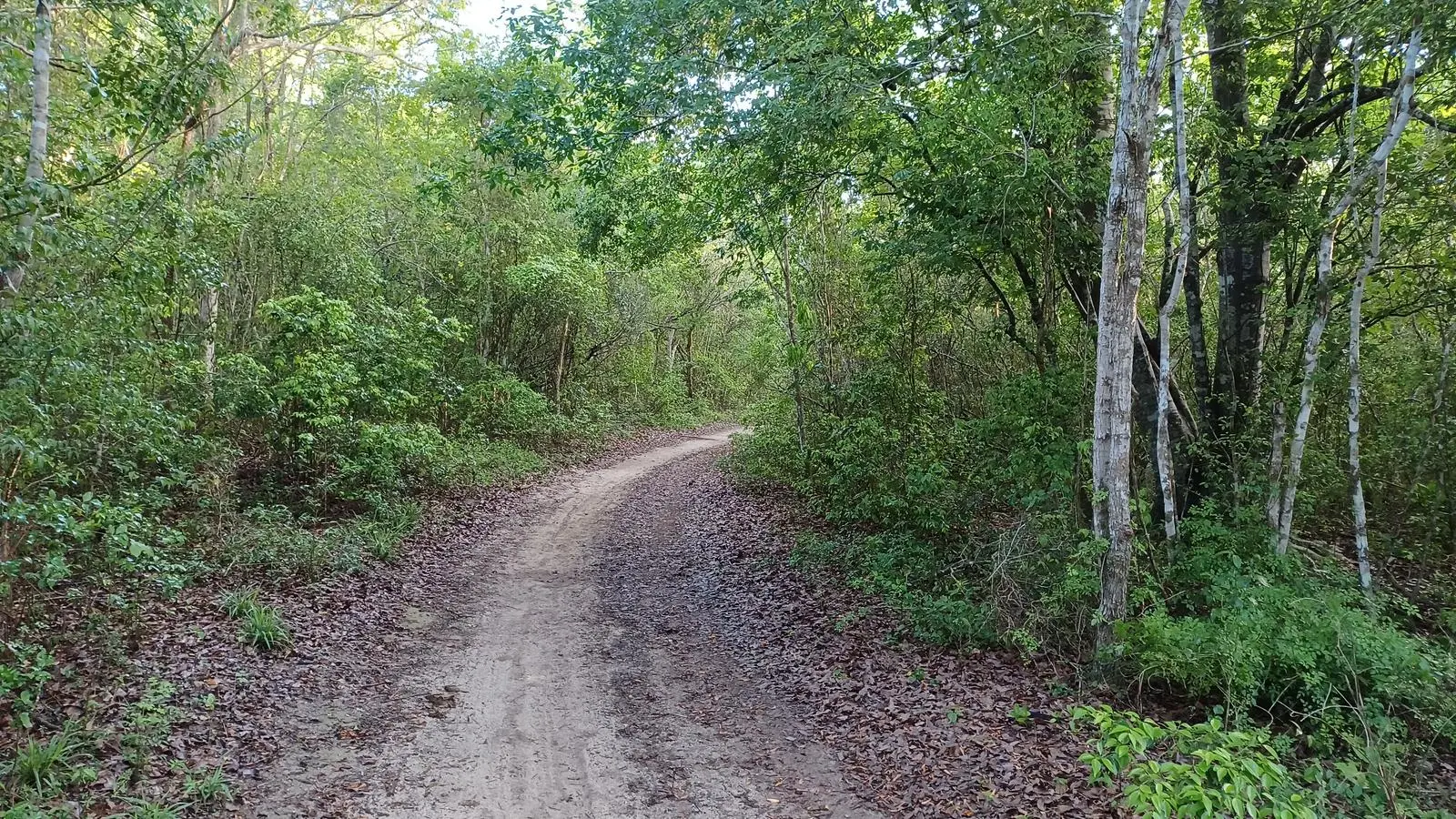
- Takes about 40–50 minutes one way at a relaxed pace
- The path is unpaved — mostly sandy sections.
- It passes through dense tropical vegetation — you'll see and hear hummingbirds, butterflies, and red crabs cutting across the path, especially in the morning
- Bring water and sunscreen — there's no shade for stretches of it and it gets hot fast
- Go early morning or late afternoon. Midday in the summer heat is punishing and in the evening the mosquitoes come out.
- Mosquitoes exist. Repellent is worth it.
Starting points:
- From Bayahibe: the path begins at the far end of the village heading south toward Dominicus, after the baseball field and right at Playa Magallanes
- From Dominicus: walk north past Tracadero, and whala! Bayahibe to find the path.
Worth stopping for along the way:
- Playa Magallanes — a beautiful rocky cove just at the start of the path from Bayahibe. Worth slowing down for before you head into the trail.
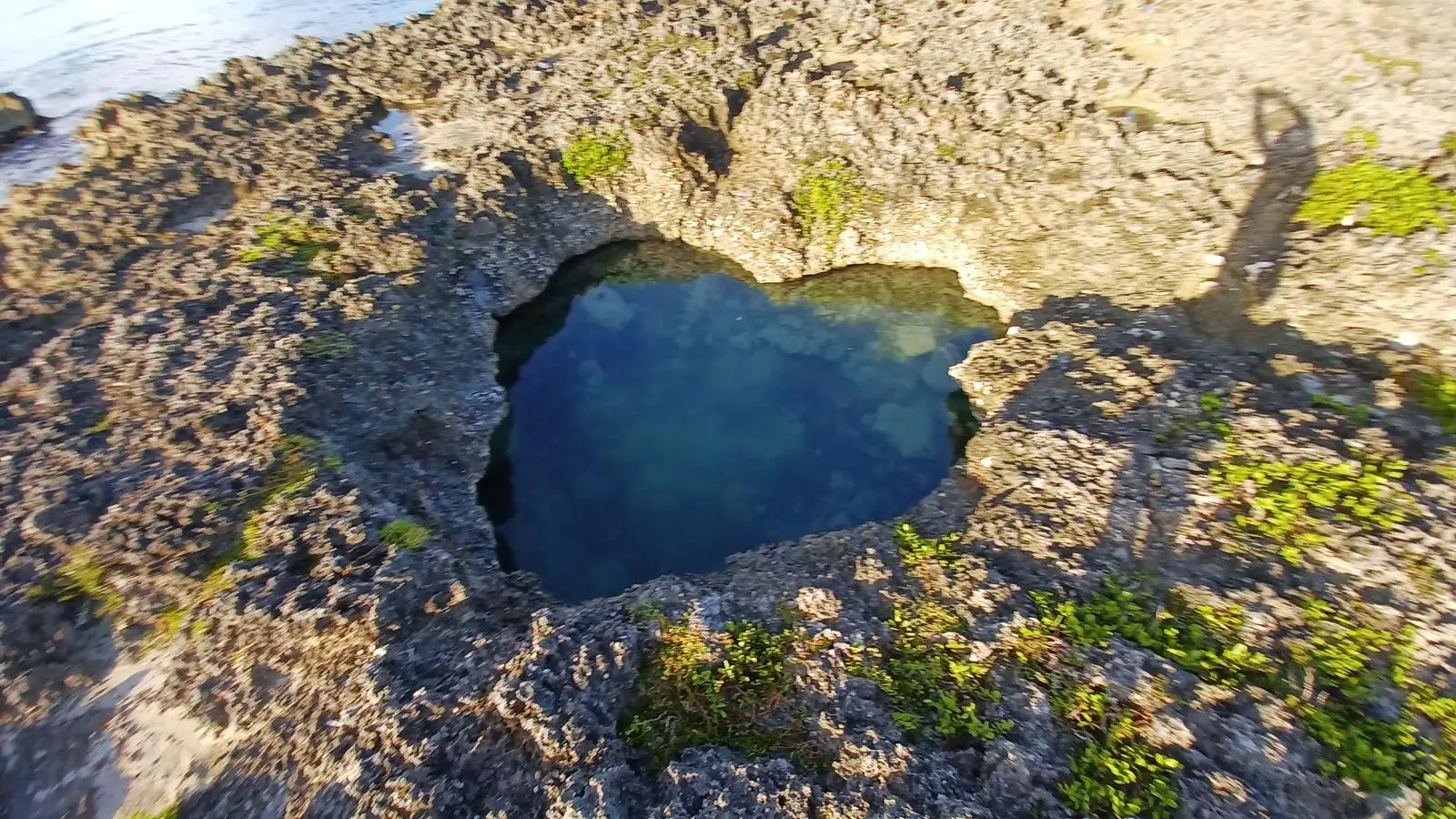
- Corazón de Bayahibe — a natural heart-shaped tidal pool carved into the coastal rocks. One of the most photographed spots in the area. Find it on our interactive map.
The walk is safe and well-traveled. It's not a remote trail — you'll pass other people. That said, we wouldn't recommend walking it alone after dark.
The Guagua (Public Bus)
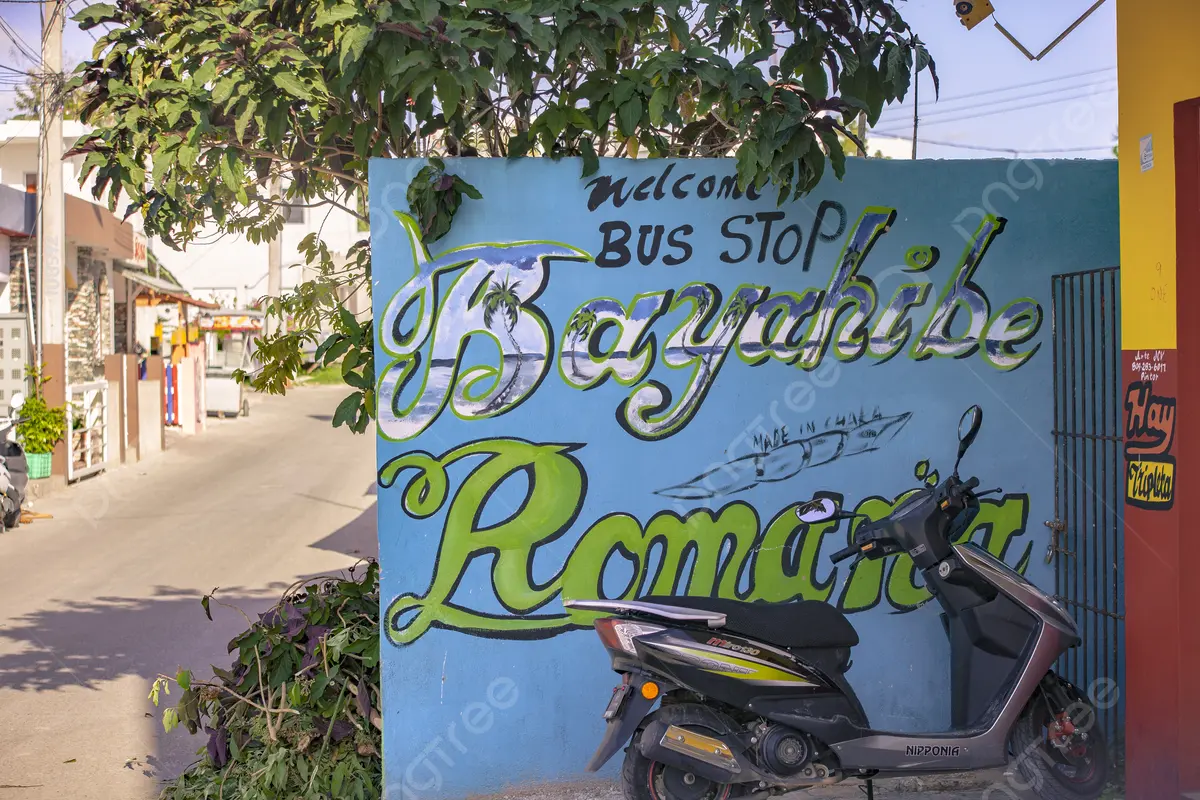
The guagua is the local way to get around, and it's very affordable. These privately run public buses run all day between Bayahibe and Dominicus and can be flagged down anywhere along the route. However, there are established stops.
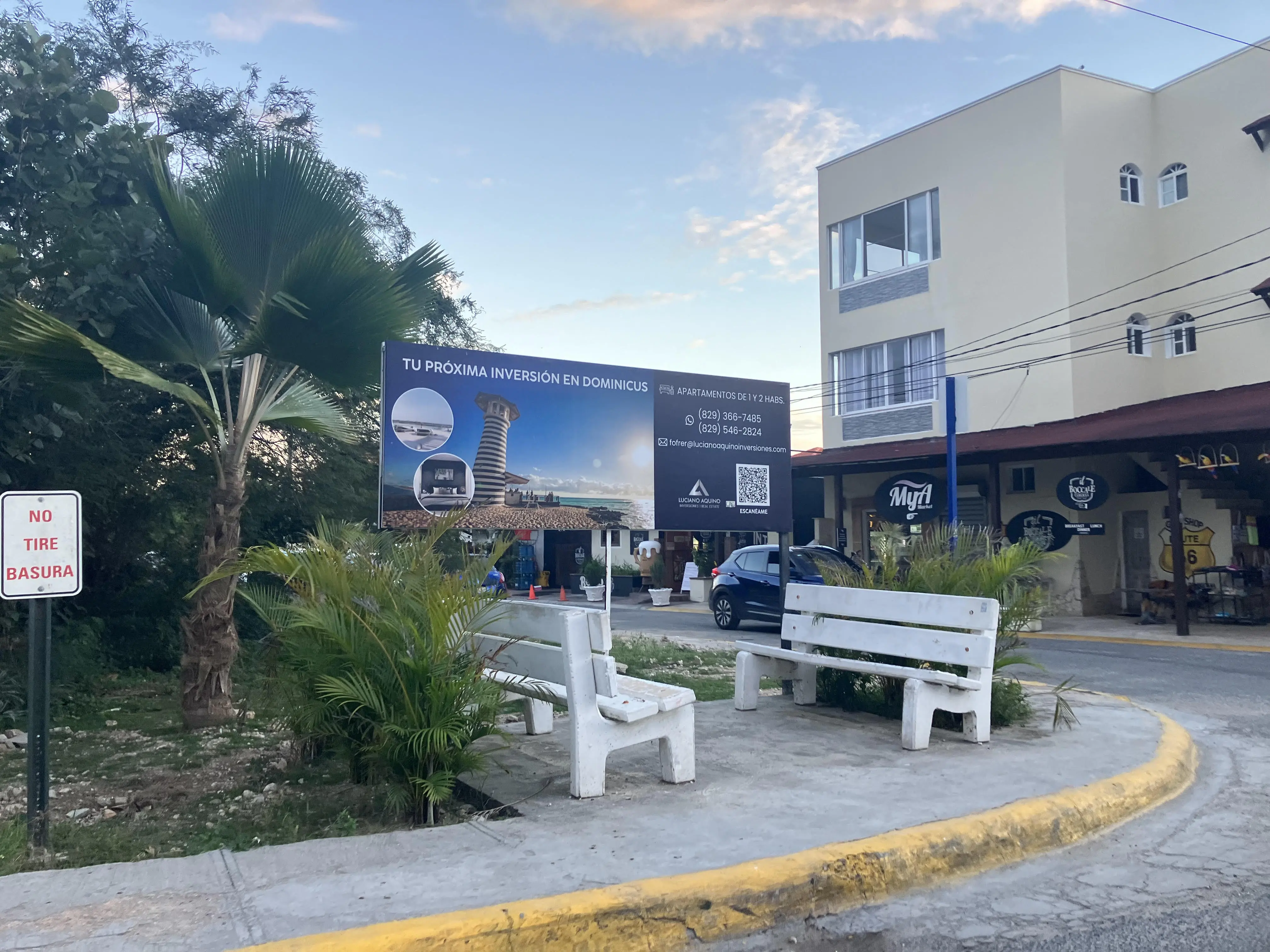
In Dominicus, find the stop on the corner near the MyA Supermarket, and the Italian cafe Al Market Sapori Itliani on the corner of Av. Fuller and AV. La Caoba. Look for the white benches — that's your spot.
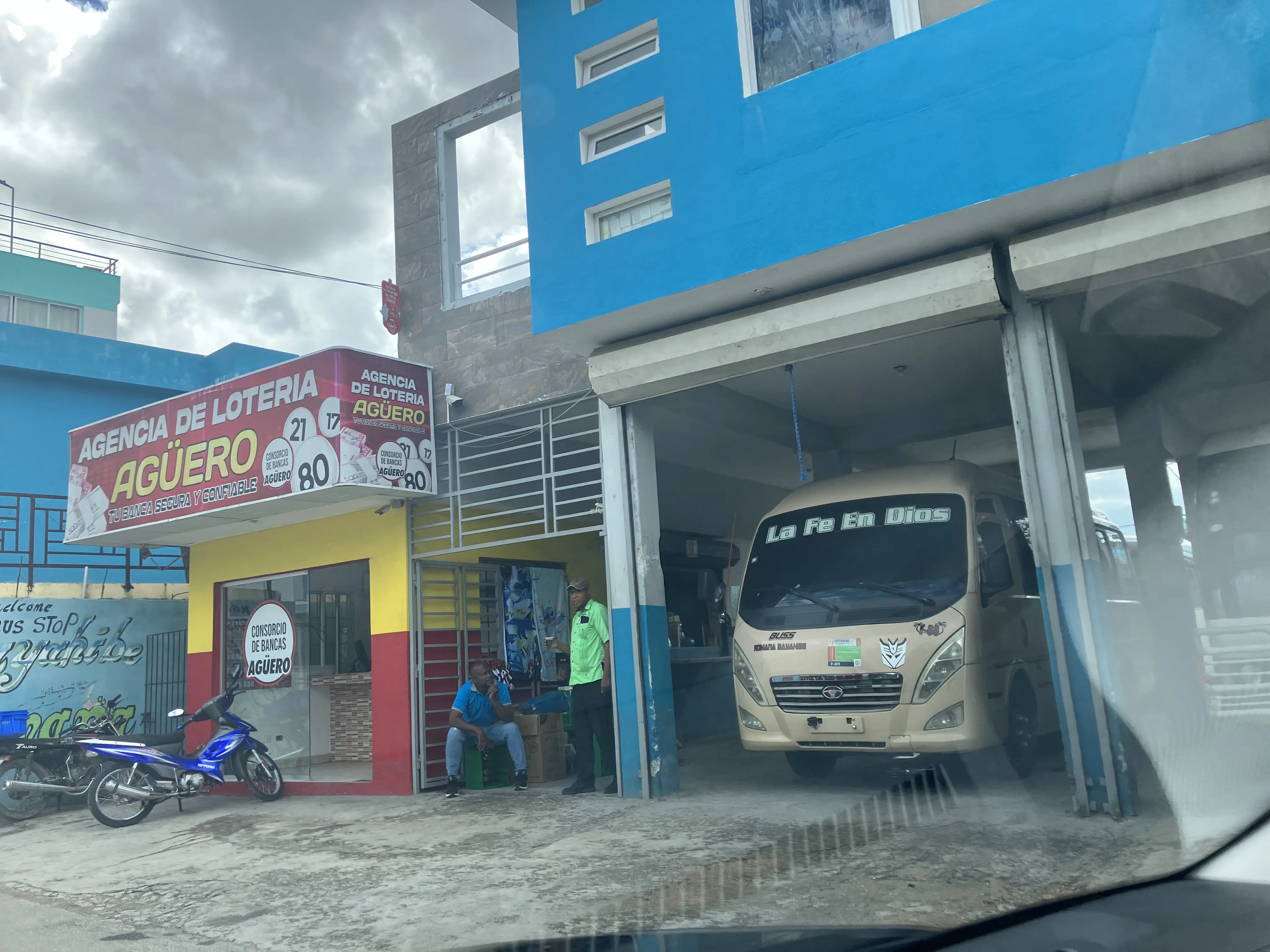
From Bayahibe, the main stop is at the terminal on Calle Roma. Look for the bus parked alongside the Agencia de Lotería Agüero. That's your clearest landmark.
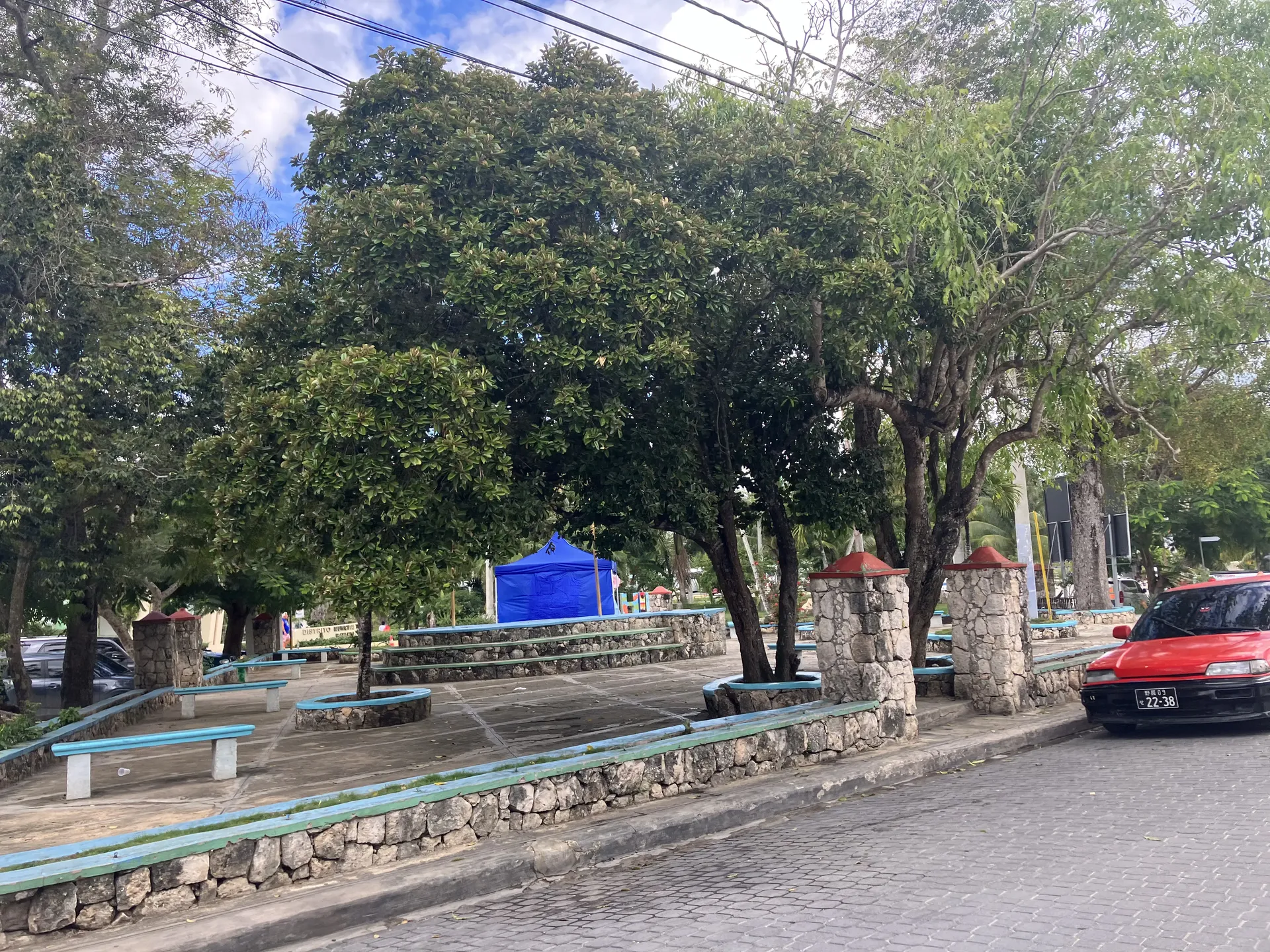
There's also a second stop a short walk away at the shaded park in the center of town with benches under big trees, near Frontoni Pizza. It's a pleasant spot to wait, especially if you arrive a few minutes early.
And if you miss both, you can always flag one down from the side of the road.
- Fare: around 25 Dominican pesos per person ($0.45 USD)
- Frequency: Roughly every 15 minutes, 7 AM to 8 PM
- How it works: Wave one down from the side of the road. They'll stop. Pay when you get off. No app, no ticket — just cash.
- Evening travel: Service winds down after 8 PM. We don't recommend relying on guaguas after dark if you're unfamiliar with the area.
It's a genuine local experience — you'll be sharing the ride with residents going about their day. Perfectly safe, just a little cramped when full.
Taxi
The fastest and most comfortable option. There are always taxis available near the Bayahibe village entrance and around the Dominicus beach area.
Expect to pay roughly 1,000 Dominican pesos (~$17 USD) one way, though prices vary by driver and how well you negotiate. Always agree on a fare before you get in — standard practice throughout the DR and it avoids any awkwardness at the end of the ride.
If You Have a Rental Car or Private Vehicle
Driving between the towns is straightforward — it's a short, direct road. Here's what to expect for parking in each town:
Bayahibe: Municipal parking lots are available during the day at around 150 Dominican pesos. Spots fill up fast near the beach, so arriving early helps.
Dominicus: Parking in town is free. At the beach, you'll find informal parking areas watched over by unofficial attendants — expect to pay around 100 Dominican pesos as a tip for keeping an eye on your vehicle. It's not mandatory, but it's the local custom and worth doing.
See all parking locations on our interactive map — it shows every available spot in both towns so you can plan where to leave your vehicle before you arrive.
Which Option Is Right for You?
| Option | Time | Cost | Best for |
|---|---|---|---|
| Walking | 40–50 min | Free | Nature lovers, early risers, anyone who wants to experience the path |
| Guagua | 10–15 min | ~25 DOP | Budget travelers, the authentic local experience |
| Taxi | 5–10 min | ~1000 DOP | Convenience, heat of the day, late returns |
All three work. The walk is the most memorable. The guagua is the most local. The taxi is the easiest and always your best option after dark.
Want to explore both towns? Open the interactive map to find beaches, restaurants, parking, landmarks, and everything in between — all in one place.