Cueva de Chicho: Bayahibe's Hidden Underground Cave
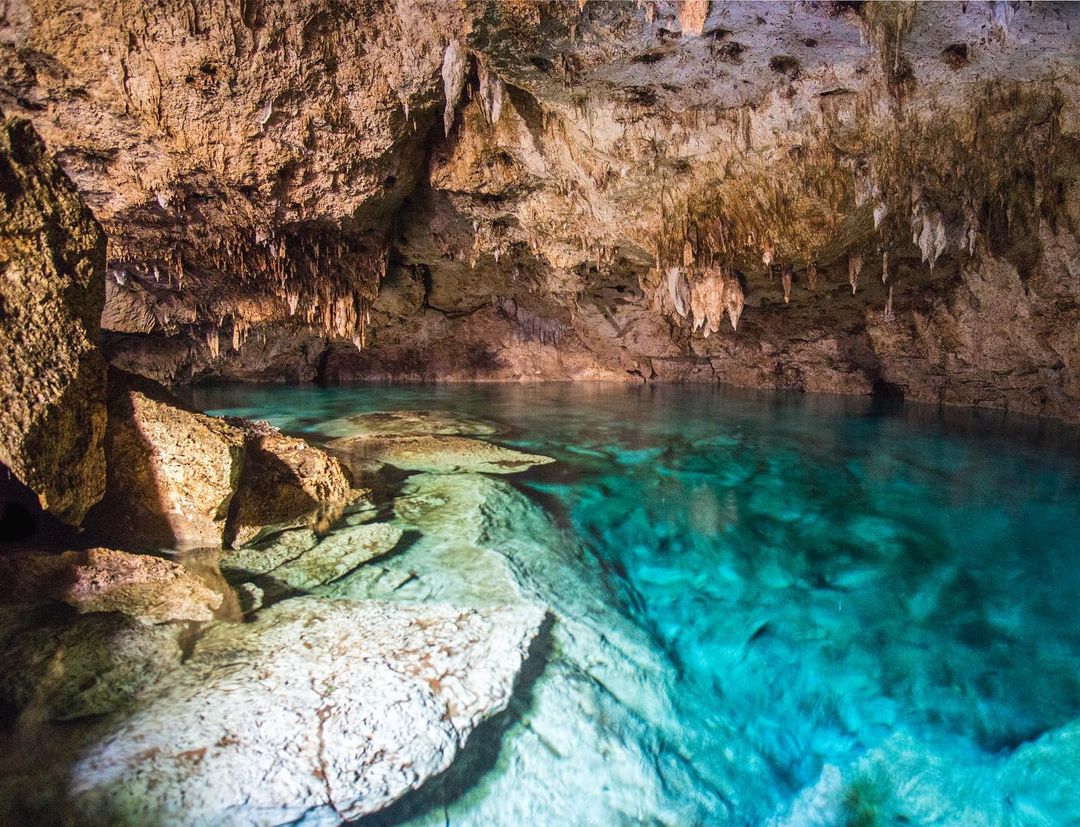
Hidden a few kilometers from Bayahibe's beach, Cueva de Chicho is one of the most remarkable natural sites on the southeast coast — an ancient cave with Taíno paintings, dramatic stalactites, an underground pool, and one of the most significant cave diving systems in the Caribbean. Most tourists staying in Bayahibe or Dominicus never make it here. That's part of what makes it worth going.
What Is Cueva de Chicho?
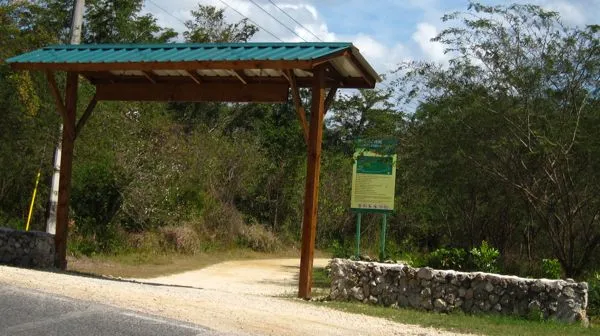
Cueva de Chicho is a large limestone cave inside Parque Nacional del Este, located in the Padre Nuestro roughly 3 km from Bayahibe. The cave descends into a cavernous underground chamber with stalactites and stalagmites formed over thousands of years. At the base of the cave, a pool of water opens into an underwater cave system that extends deep into the rock.
The cave takes its name from a local nickname — "Chicho" — passed down through the fishing families who lived in this area for generations.
Taíno Petroglyphs
The walls of the cave bear ancient Taíno carvings and paintings. The Taíno were the indigenous people of the Caribbean, and the southeast of the Dominican Republic — including the islands of Saona and Catalina — was one of their most densely populated areas before European contact. The petroglyphs in Cueva de Chicho are believed to be ceremonial in origin, and the cave is considered one of the more important pre-Columbian archaeological sites in the region.
Visiting with a local guide adds context to what you're looking at — the carvings are easy to miss if you don't know where to look.
Edward's cultural tours of Bayahibe cover Taíno history in depth — the beliefs, the symbols, and what happened to the people who made them. Worth doing before or after the cave to put what you see in context.
Cave Diving
Below the still surface of the underground pool, the cave continues. Cueva de Chicho is regarded as one of the premier cave diving sites in the Dominican Republic, and among serious cave divers it has an international reputation. The underwater passages reach significant depths, and the mixing of fresh and salt water creates a halocline — a visible layering effect where two different densities of water meet — that divers describe as otherworldly.
Cave diving here requires proper certification (cavern or full cave, depending on how far you go) and must be done with a local guide who knows the system. Several dive operators in Bayahibe offer guided cave dives to Cueva de Chicho. It is not an experience for open-water divers without the appropriate training.
Padre Nuestro and the Move to Benerito
The area around the cave entrance is known as Padre Nuestro — named after the small fishing settlement that once stood here. When the Dominican government established Parque Nacional del Este in 1975, the families living in Padre Nuestro were required to leave. The government resettled them in a new community called Benerito, located a few kilometers inland from Bayahibe.
Benerito still exists today, and many of the families who live there trace their roots back to Padre Nuestro. The relocation was part of a broader effort to protect the coastal ecosystem of the southeast, including the coral reefs and cave systems that now draw visitors from around the world. The name Padre Nuestro survives as the official designation for the cave trail and park sector.
How to Visit
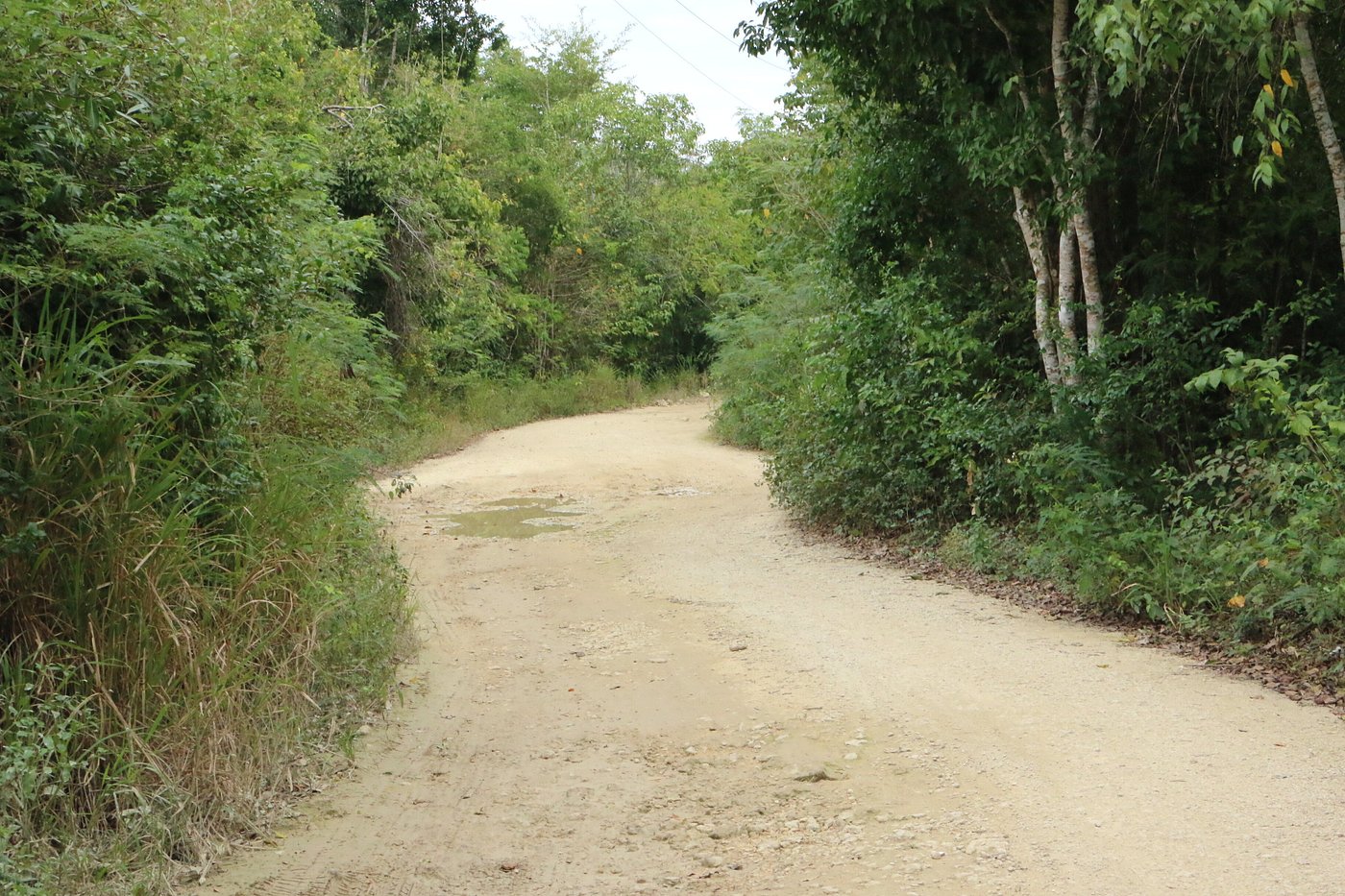
- Getting there: From Bayahibe, exit the town on the main road that passes Hotel All Seasons and Ferreteria Eriben. The walk to the cave takes about 45–60 minutes on foot through dry tropical forest. Bicycles are a popular option and cut the time significantly.
- Park entrance: A national park entrance fee is required. On the path to the cave you will pass the entrance point where you buy your tickets."
- Guides: Not required for the dry cave, but strongly recommended. A local guide will show you the petroglyphs, explain the history, and keep you oriented inside the cave.
- What to bring: Closed-toe shoes, bathing suit, a flashlight or headlamp, water, and insect repellent. The interior of the cave is cool and humid.
- Best time: Morning, before the midday heat makes the forest walk uncomfortable.
Getting to Bayahibe
Cueva de Chicho is only accessible from Bayahibe — there's no direct road access from Dominicus or La Romana. If you're flying into Punta Cana or Santo Domingo, a private transfer to Bayahibe is the most straightforward way to arrive.